
February 04, 2026
Endangered Wildlife of the Red Sea
From the golden sands of the Sinai Desert to the aquamarine waters of the Red Sea, Egypt’s natural heritage has long attracted visitors worldwide and has significantly contributed to the country’s thriving economy. The Red Sea has drawn divers eager to explore the hidden underwater world, in addition to yacht owners who utilise the well-equipped ports along Egypt's coast, which are appreciated for their year-round climate and exclusive escapes. However, what lies beneath the surface is a hidden crisis. One that must be addressed before we irreversibly change the makeup of the Red Sea’s ecosystem forever.
The Red Sea is home to between 1,000 and 1,200 coastal fish species, with around 15% being endemic, meaning they are not found anywhere else in the world. Given this unique composition of the Red Sea’s marine life, collective efforts by the government, tourists, divers and yacht owners must be implemented to ensure we protect such a precious part of our heritage. Factors such as illegal hunting practices and climate change are both contributing to the reduced population of some species in the Red Sea, resulting in them being labelled as vulnerable or even critically endangered.
Oceanic whitetip shark
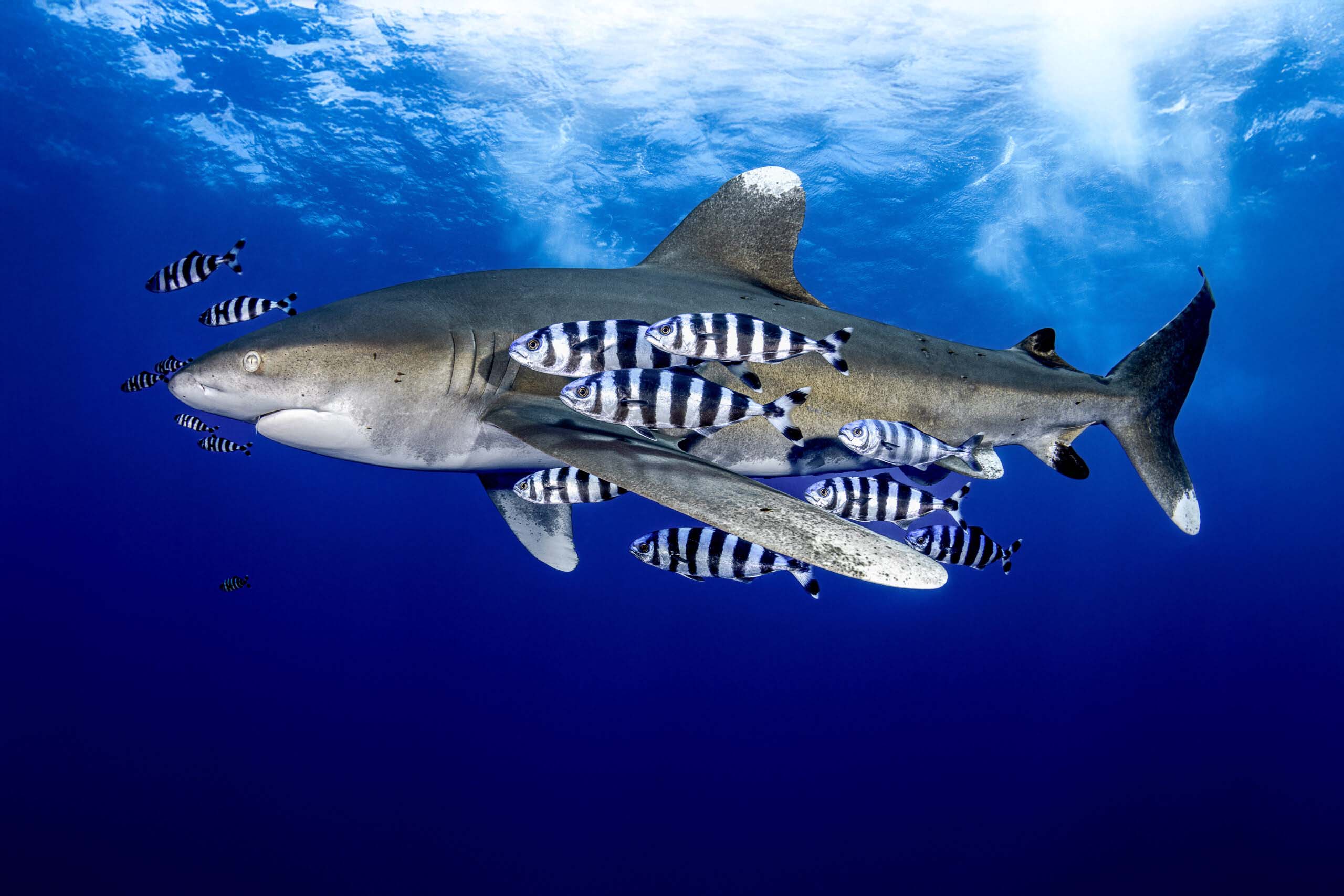
One such species is the oceanic whitetip shark (Carcharhinus longimanus), a popular attraction amongst divers visiting drop-off reefs like Elphinstone, which is listed as critically endangered on the International Union for Conservation of Nature Red List of Threatened Species (commonly known as IUCN Red List). Oceanic whitetip sharks are victims of overfishing, particularly paramount within the illegal shark fin trade and are also involved in bycatch, where they are trapped in commercial fishing nets caught incidentally when fishermen are trying to catch other fish species. These sharks are important for maintaining the health of reefs and oceans, meaning it is important to safeguard them to protect future marine life. The Egyptian government has enforced a law that bans all shark fishing, possession, trade and sale of shark products whilst simultaneously working with organisations such as the Hurghada Environmental Protection and Conservation Association (HEPCA), which is actively involved in monitoring and reporting any violations of the ban. Tourists and visitors are encouraged to choose responsible dive operators that ensure they are following shark-safe practices.
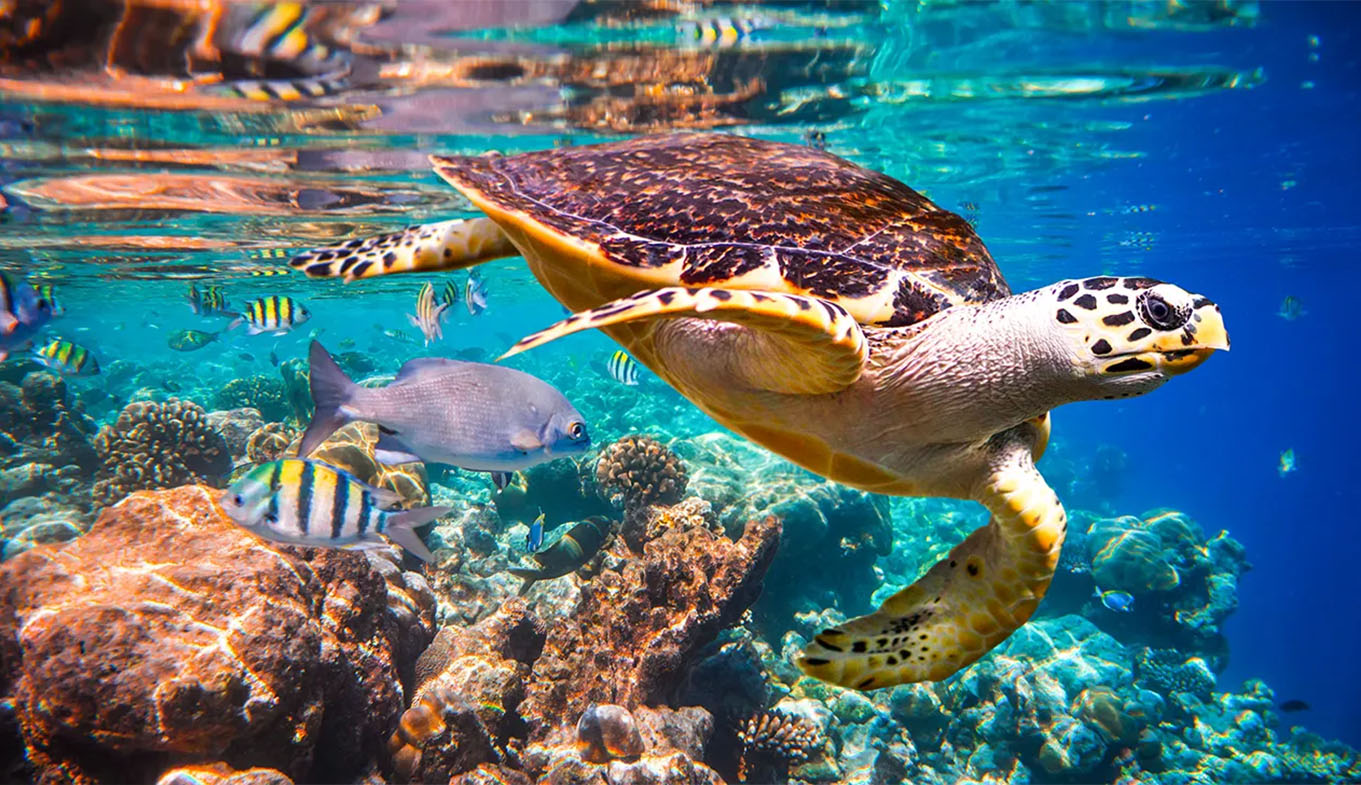
Hawksbill Turtle
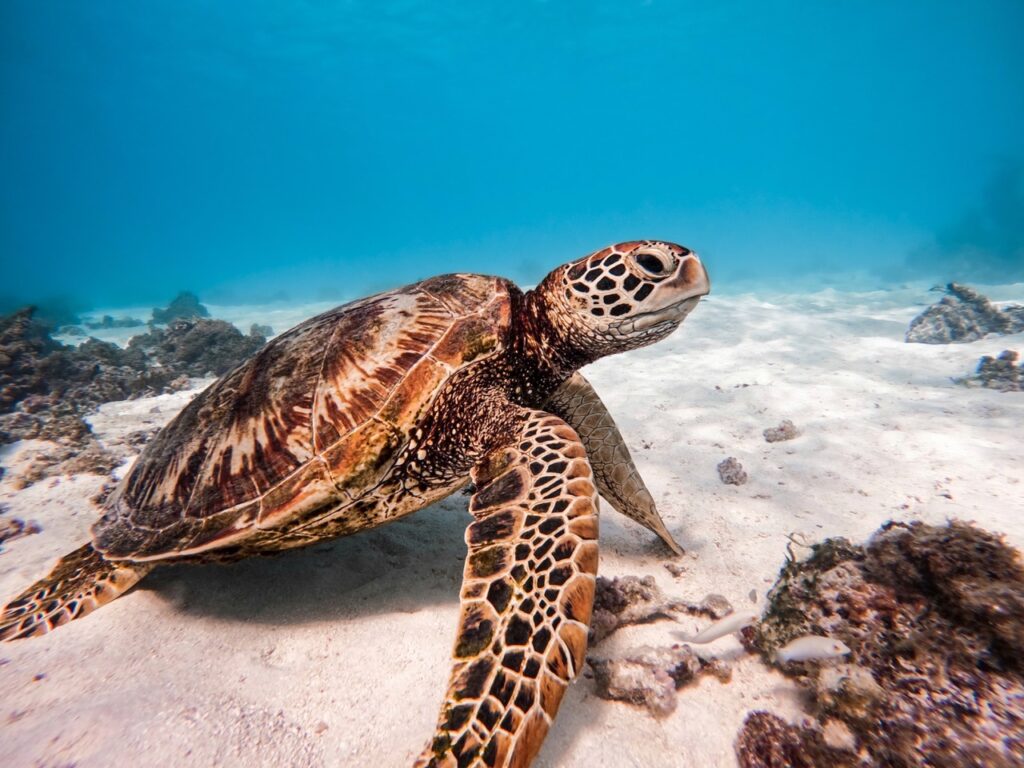
Eretmochelys imbricata, or commonly known as the Hawksbill Turtle, is frequently found in coral reefs, lagoons, and shallow coastal areas, where their presence is vital in conserving regional reef health and providing better access for reef fish to feed. Their colourful, patterned shells are valuable amongst illegal traders and are often sold as tortoiseshell for jewellery, leading to a decrease in their population, resulting in them being labelled as critically endangered and on the IUCN Red List. The ingestion of plastic pollution, often mistaken for food, combined with accidental capture in fishing nets and lines, further contributes to the decrease in the quantity of hawksbill turtles within the Red Sea. Since the late 1970s, the Convention on International Trade in Endangered Species (CITES) has banned the commercial trade of all sea turtle species and their parts, such as the shell, with Egypt being a signatory to this agreement. Divers, tourists and visitors are reminded to support eco-conscious dive centres, reduce the use of single-use plastics and to also ensure they report injured or entangled turtles to local authorities.
Dugong (Sea Cow)
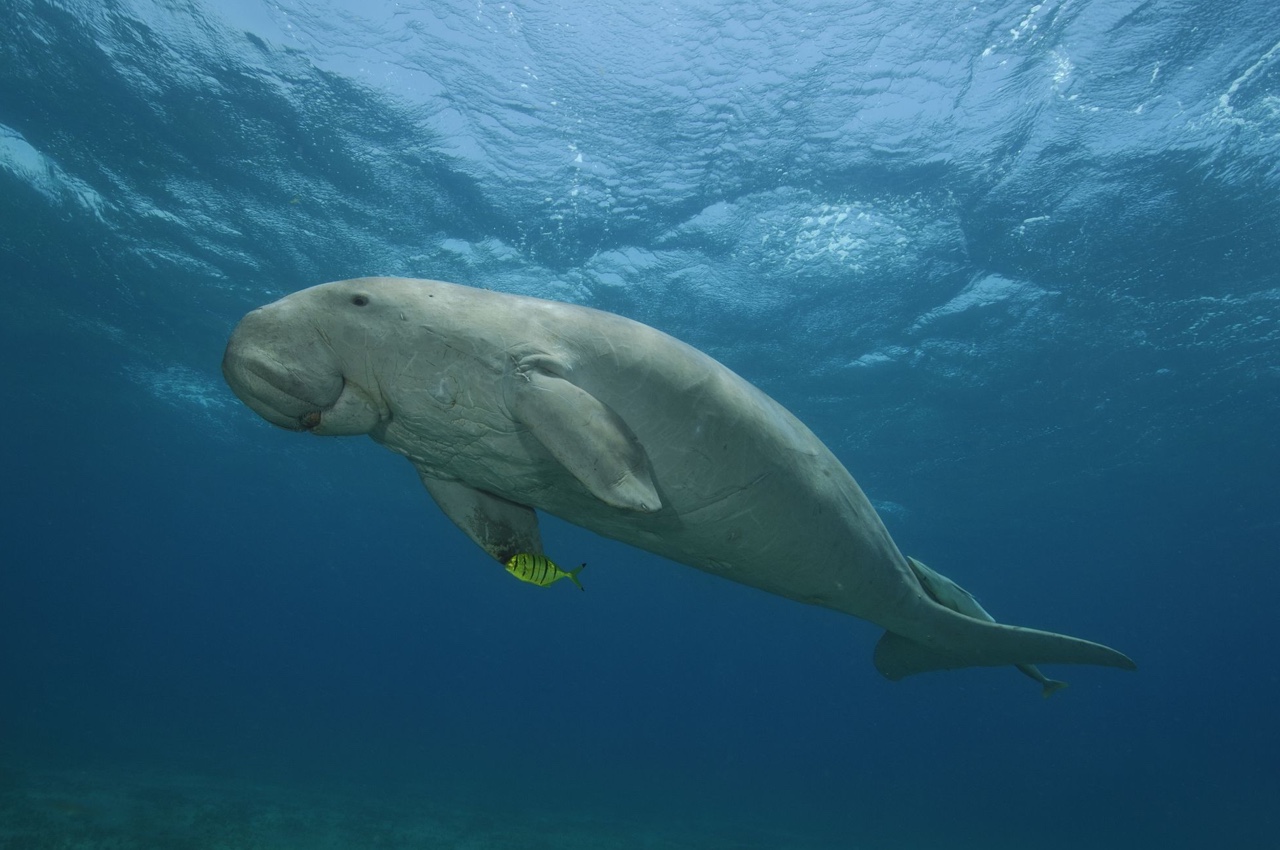
Scientifically referred to as the Dugong dugon, the dugong or “sea cow” is a peaceful and tranquil marine mammal found in shallow, sheltered coastal waters, lagoons and bays. Feeding exclusively on seagrass meadows, they are commonly spotted around the southern parts of the Red Sea in areas such as Abu Dabbab Bay, a protected nature reserve within Marsa Alam. Dugongs are listed as Vulnerable on the IUCN partly due to increased visitors to the region, leading to a rise in boat strikes. Additional factors that affect their numbers include these sea creatures becoming caught in fishing nets, as well as the birth rate being extremely slow, meaning there is only one birth every three to seven years. Seagrass meadows help fight climate change by storing carbon, which reduces the level of carbon dioxide in our atmosphere.
Protecting our endangered species
With the Red Sea being vital to Egypt’s heritage and a key contributor to the economy through tourism, it is the collective responsibility of the government, boat operators, divers and visitors to ensure their actions do not support the population decrease of endangered species and that biodiversity in the Red Sea is maintained. Boat operators and yacht owners are reminded to use designated mooring buoys instead of anchoring on reefs, as well as slowing down in wildlife-rich areas to avoid boat strikes, thus further affecting endangered species. It is also important to follow local marine park rules, ensuring waste, fuel or sewage are not disposed of in the sea, polluting the natural habitat of these species. Maintaining buoyancy is important for divers and snorkellers to ensure they are not touching coral reefs, and they are also reminded not to collect any souvenirs such as corals, shells or marine organisms. It is the responsibility of tourists and beachgoers to reduce the amount of rubbish and plastic pollution on beaches, as these can be deadly for animals such as turtles and seabirds. The future of the Red Sea’s wildlife depends on the choices we make today, and with collective responsibility, this fragile paradise can still thrive for generations to come.
The Most Popular ‘Bandersnatch’ Choices Show We're Not All Complete Monsters
BY: Taylor Hosking
The Most Popular ‘Bandersnatch’ Choices Show We're Not All Complete Monsters
BY: Taylor Hosking
The Most Popular ‘Bandersnatch’ Choices Show We're Not All Complete Monsters
BY: Taylor Hosking
suggestions
-
Water Sports
Freediving in Egypt
Exploring the Red Sea on a Single Breath
-
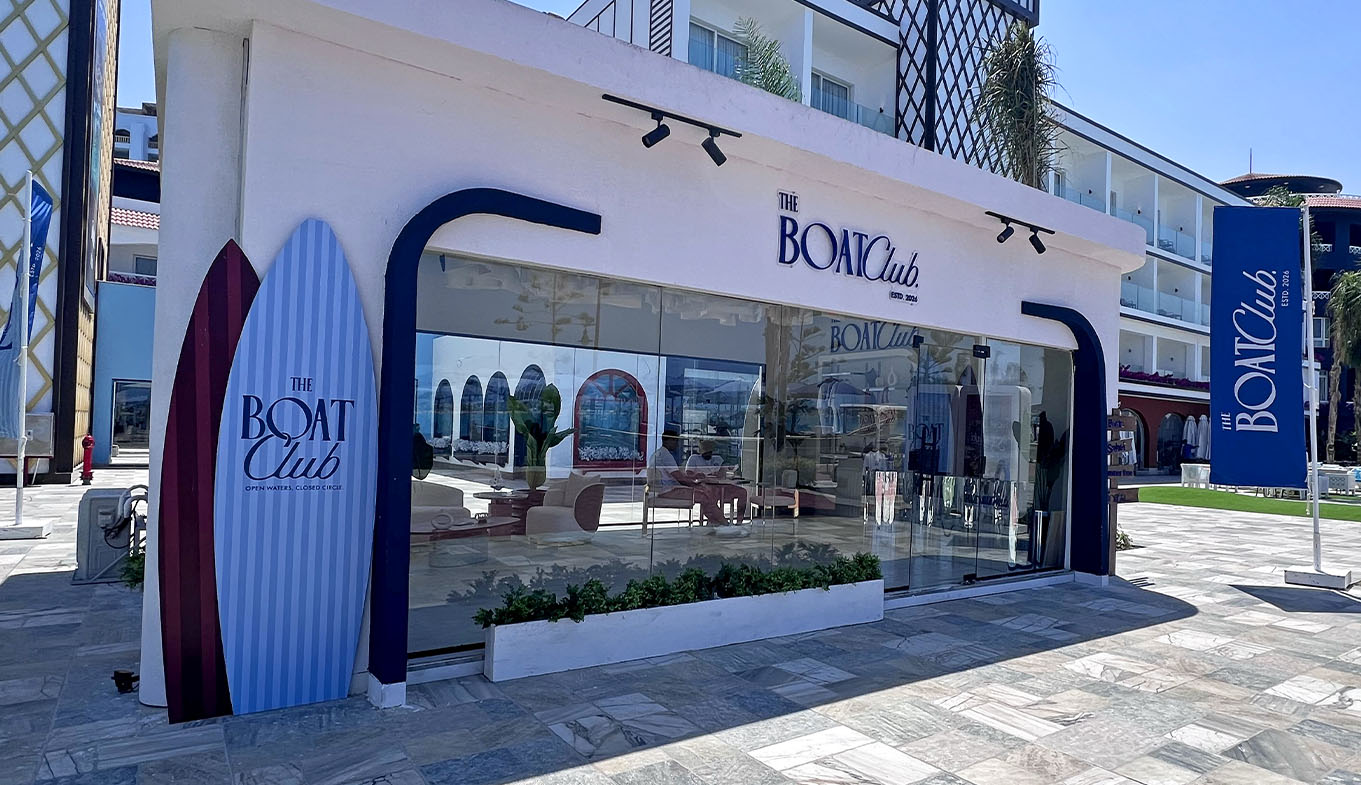
Water Sports
The Boat Club
Porto Marina to Hosted the First Edition of The Boat Club - Egypt
-
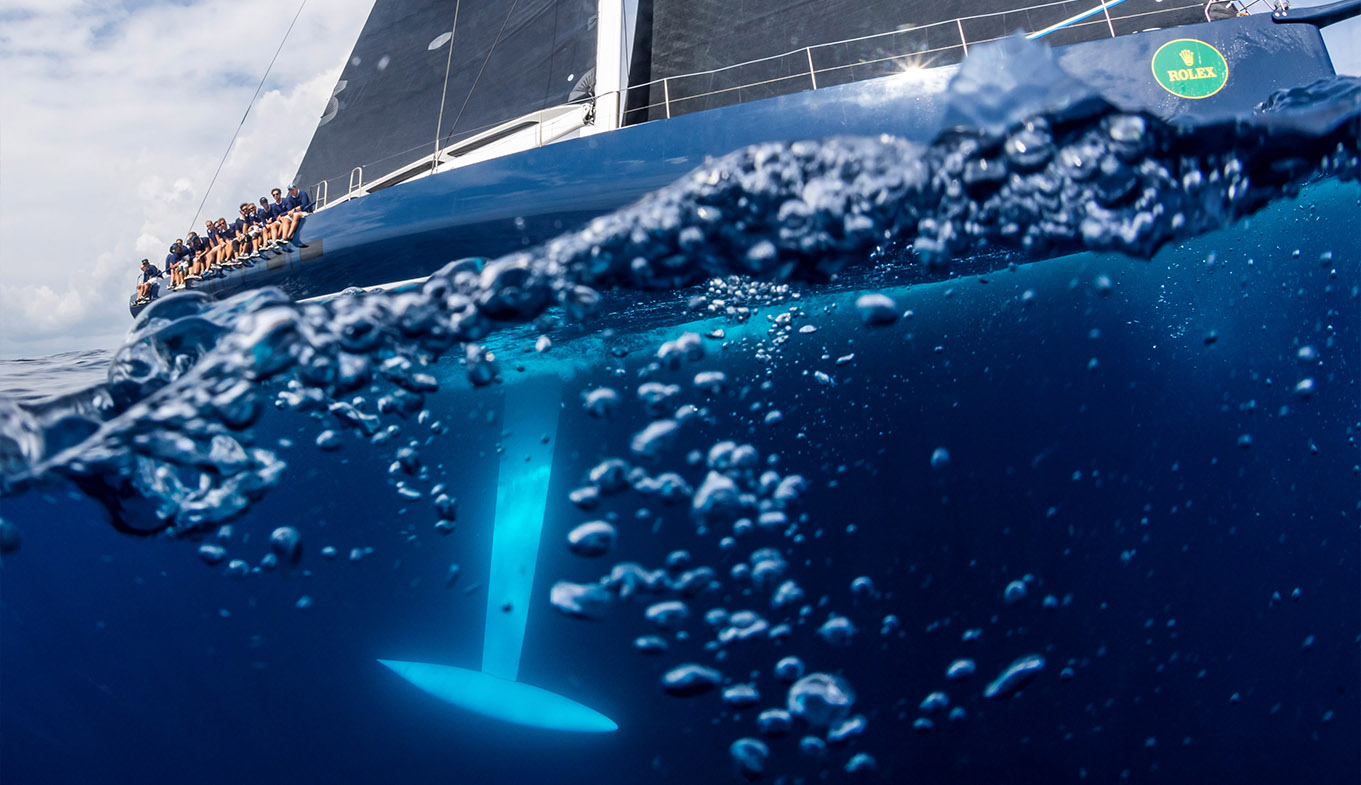
Water Sports
Rolex and the World’s Most Prestigious Regattas
A Natural Alliance Between Time and the Sea
-
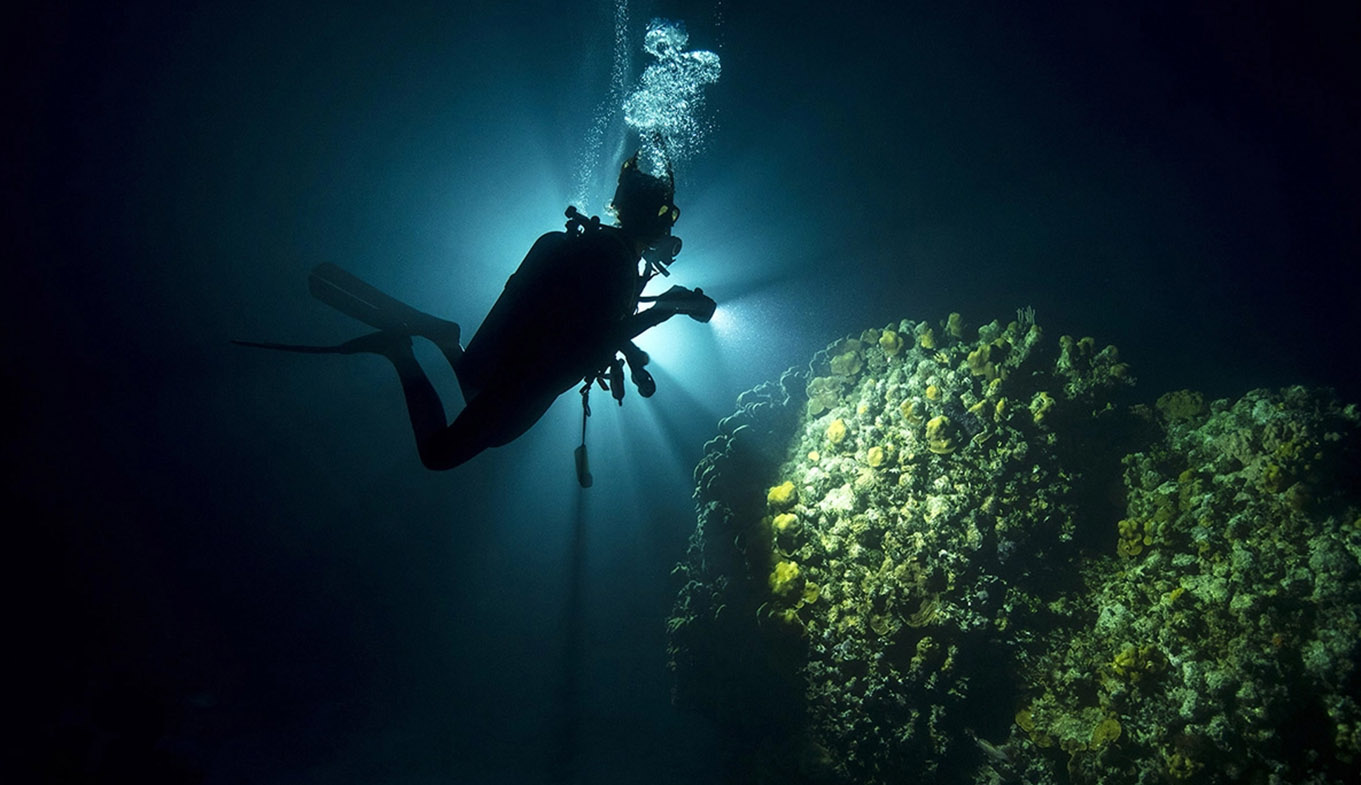
Water Sports
Exploring the Red Sea at Night
After Hours Underwater
-
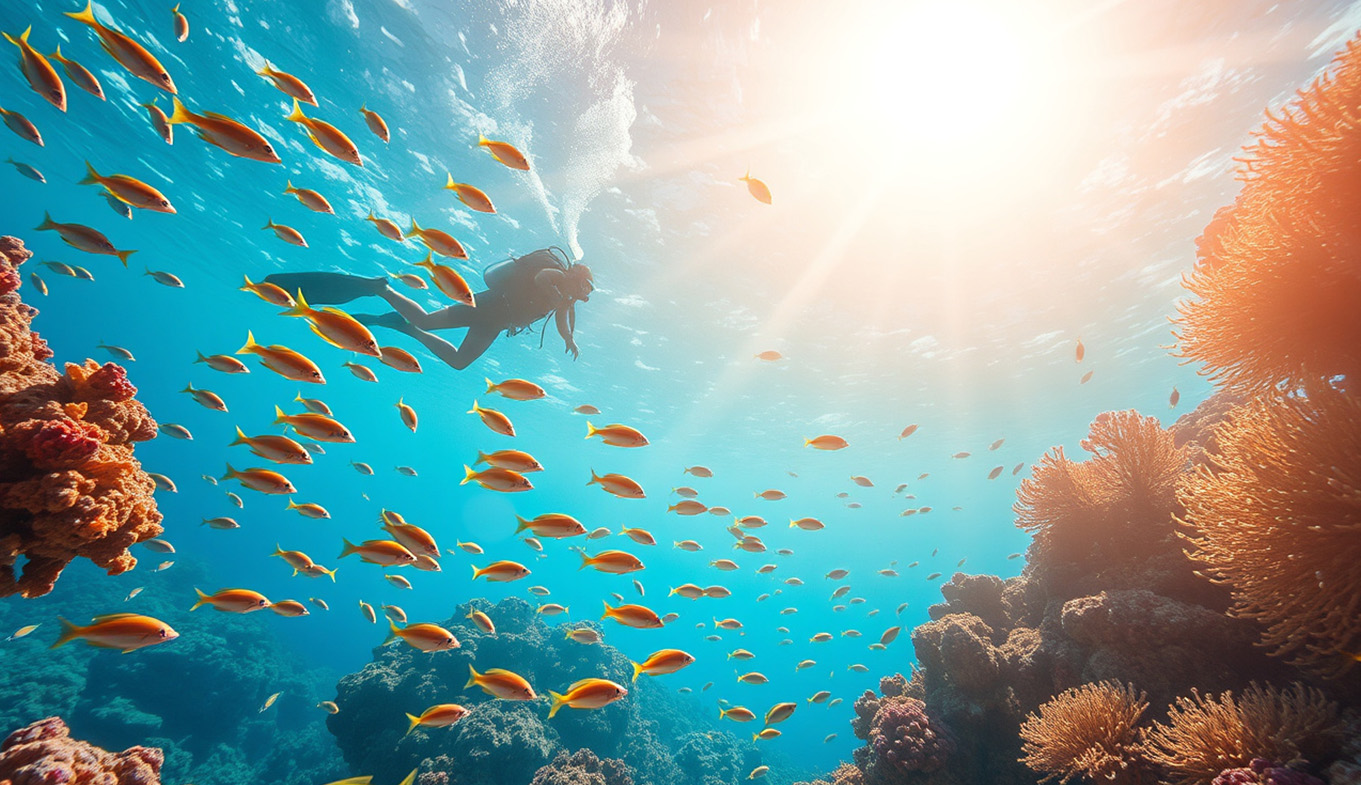
Water Sports
A Diver’s Paradise
Egypt’s Top Diving Destinations
-
Water Sports
A Fragile Paradise
Endangered Wildlife of the Red Sea
Water Sports
Freediving in Egypt
Exploring the Red Sea on a Single Breath
Water Sports
The Boat Club
Porto Marina to Hosted the First Edition of The Boat Club -
Water Sports
Rolex and the World’s Most Prestigious Regattas
A Natural Alliance Between Time and the Sea
Water Sports
Exploring the Red Sea at Night
After Hours Underwater
Water Sports
A Diver’s Paradise
Egypt’s Top Diving Destinations
Water Sports
A Fragile Paradise
Endangered Wildlife of the Red Sea