February 04, 2026
How Yacht Owners Cruise the Mediterranean
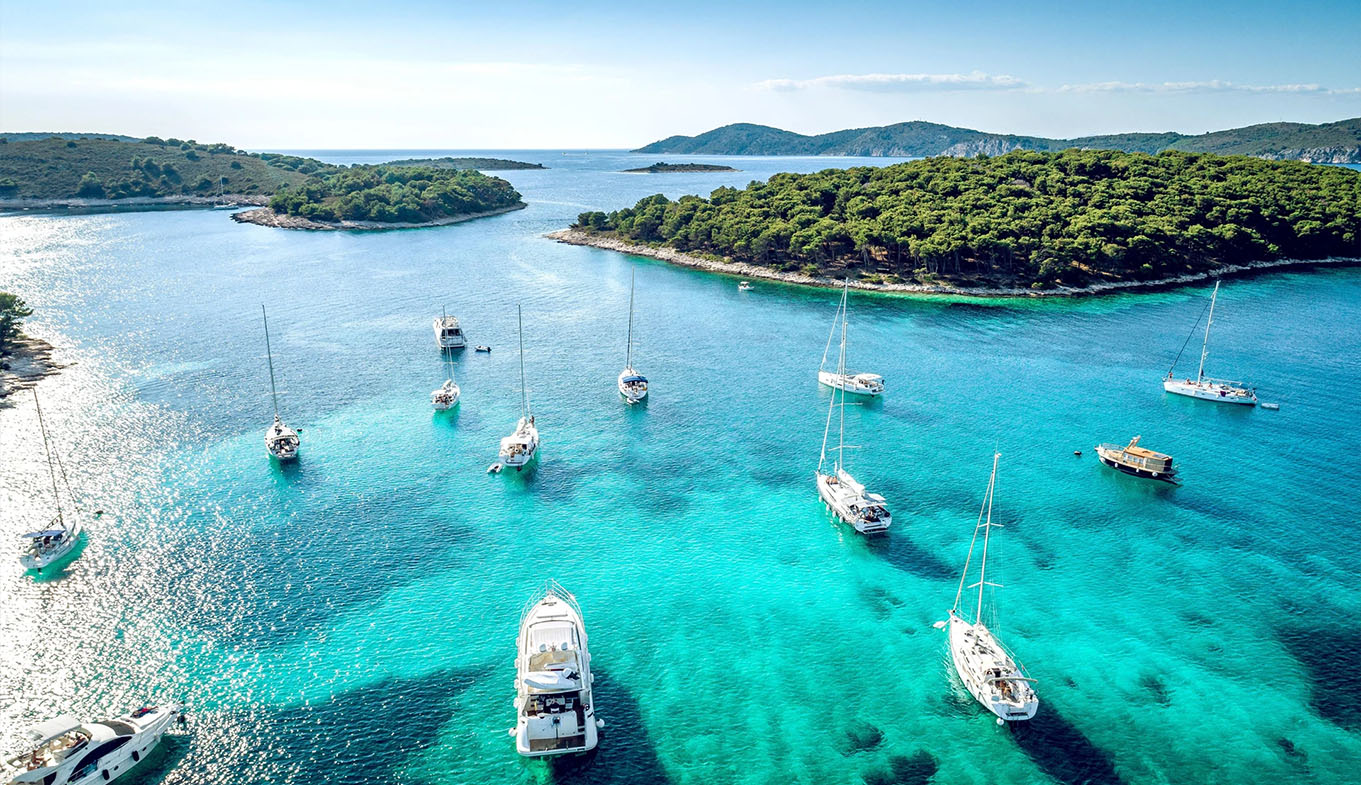
Every spring, a quiet yet captivating transformation begins to unfold across the bustling marinas that line Europe’s Atlantic facade. As winter gradually releases its chill, shipyards come alive with the sounds of industrious activity, craftsmen meticulously attending to last-minute repairs, riggers skillfully hoisting vibrant sails for final inspections, and cruising crews carefully curating provisions with an eye for detail. By early May, an elegant procession of yachts, sleek performance racers, timeless classic ketches, and dazzling superyachts sets its compass toward the sun-kissed waters of the Mediterranean. This annual movement, affectionately dubbed the Great Med Summer Migration, transcends a mere nautical journey; it is a cherished ritual that weaves together tradition, lifestyle, and a centuries-old human yearning for warmth, light, and the vast expanse of open water.
For countless owners and crews, the Mediterranean is far more than a destination; it embodies a season, a rhythm, and a vibrant community that blossoms year after year. From the inviting harbour of the Balearics, where the azure waves gently lap against the shores, to the dazzling sapphire depths surrounding the Greek islands, the Med beckons yachts not only with its breathtaking landscape and gentle breezes, but also with a unique cruising culture that flourishes nowhere else on Earth.
The Tradition of Seasonal Cruising
The concept of seasonal sea travel is not new. For millennia, Mediterranean civilisations have adapted to the rhythms of climate and commerce. Phoenician traders followed wind patterns between ports, Roman galleys found sheltered bays to winter in, and Venetian merchants planned their voyages around predictable seasonal weather. Today’s recreational sailors navigate sea routes established long ago, but their motivations are different. Modern yachtsmen and women seek experience, adventure tempered by comfort and spontaneity balanced by community.
The idea of seasonal migration with cruising yachts gained popularity in the latter half of the twentieth century, thanks to advancements in marine technology that made long passages more feasible. Prosperous yacht owners began to see their vessels not just as static assets but as vehicles for exploration and leisure. The Mediterranean, with its mild winters compared to northern Europe and its rich tapestry of cultures, became the preferred winter destination for Atlantic-based yachts. By late spring, as the North Sea and the Bay of Biscay thaw, anticipation builds: the Mediterranean beckons once again.
Charting the Route
The typical migration of yachts begins along the scenic western approaches of Europe, where many vessels find refuge in marinas nestled in the sun-kissed landscapes of Portugal, the rugged shores of France’s Brittany and Atlantic coast, or the tranquil waters of England’s Solent. From these idyllic harbours, crews set off on a series of coastal hops, embarking on an adventure filled with vibrant culture and breathtaking vistas. Early stops often include picturesque ports such as La Rochelle, Bordeaux, or Bilbao, regions renowned for their exceptional nautical services and rich maritime heritage. During this initial phase, passage planning becomes an intricate dance of balancing weather windows, tidal streams, and provisioning needs. The early season is marked by unpredictability, compelling prudent skippers to scrutinise forecasts with meticulous care.
For most sailors, the first major milestone on this journey is the iconic Strait of Gibraltar, a narrow passage that gracefully separates Europe and Africa, where the expansive Atlantic seamlessly pours into the captivating Mediterranean. The Strait is far more than just a geographic choke point; it serves as a poignant rite of passage embodying both challenge and triumph. Here, the currents churn with vigour, weather patterns can shift dramatically, and the awe-inspiring view of the Rock of Gibraltar against a clear azure sky carries profound symbolism for those fortunate enough to cross its threshold. Beyond the Strait, the waters are warmer, the winds settle into stable, predictable patterns, and the air is perfumed with the intoxicating blend of citrus and salt that defines this enchanting region.
As yachts glide from Gibraltar, they fan out along the Mediterranean’s sun-drenched coastlines, each stretch of water revealing new adventures. Some sailors chart a northeastern course toward the glamorous Côte d’Azur, anchoring off the sparkling shores of Nice, Cannes, and Saint-Tropez, where the shimmering sea meets the vibrant pulse of luxury. Others opt for more circuitous routes, setting their sights on the enchanting Balearic Islands, Ibiza, Mallorca, and Menorca, each offering its unique tapestry of vibrant nightlife, secluded anchorage coves, and rich historical towns, inviting exploration and discovery at every turn.
The Balearic Prelude
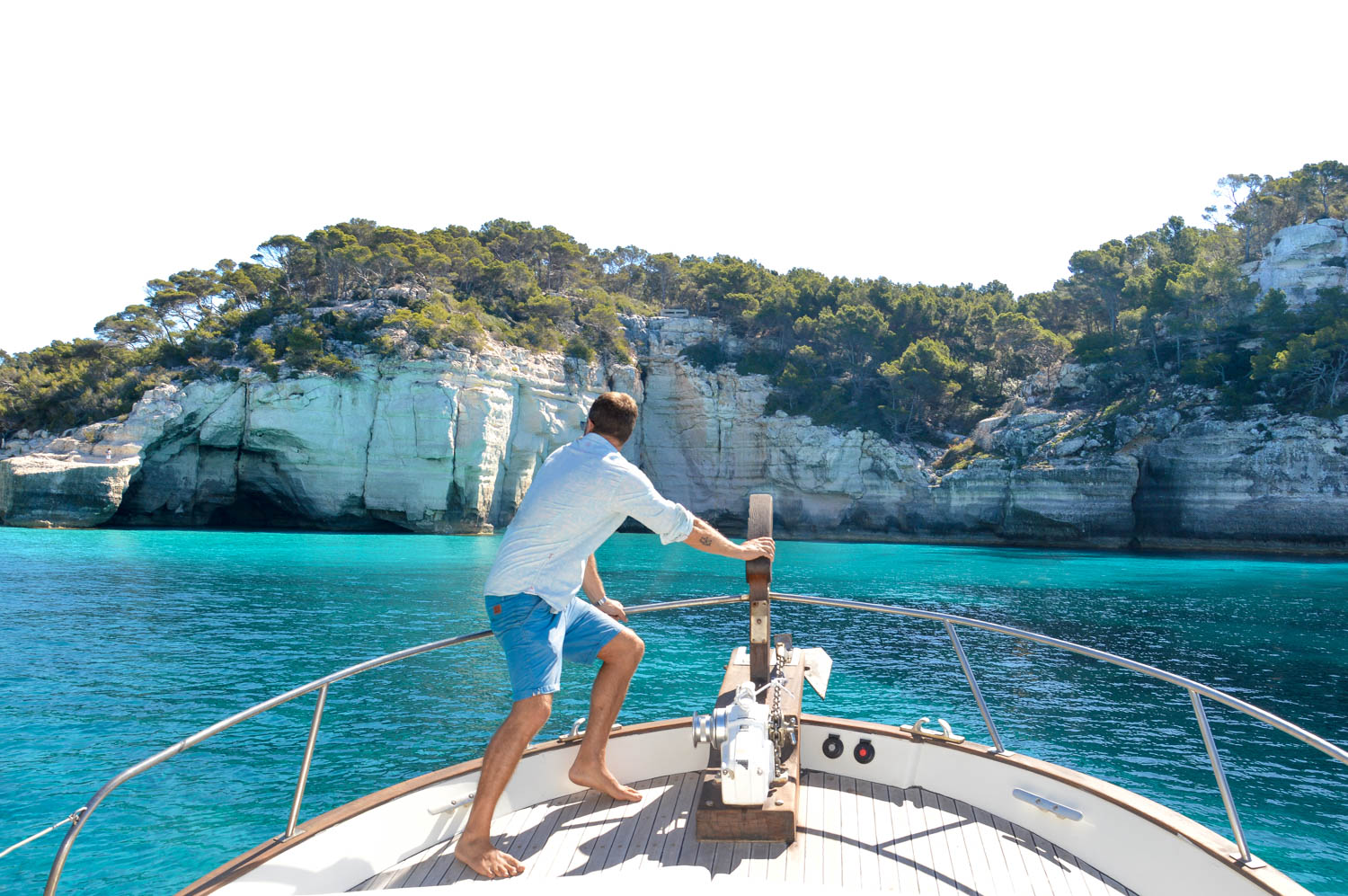
For many, the Balearic Islands offer the ultimate introduction to Mediterranean cruising. With their sheltered anchorages, crystal-clear waters, and vibrant sailing culture, these islands serve as perfect waypoints for sailors. Palma harbour in Mallorca lures yachts with the stunning silhouette of its medieval cathedral set against a sparkling turquoise bay, while Menorca entices visitors with its tranquil coves, ideal for those looking for a peaceful escape. Meanwhile, Ibiza strikes a balance between tranquillity and lively port towns.
This is where the cruising community really begins to come together. Conversations at the docks cover everything from weather forecasting and engine upkeep to dining recommendations and plans for evening meet-ups. It's common for groups of yachts to band together, forming informal flotillas that foster a sense of camaraderie, all while embarking on what ultimately remains a personal adventure.
Riviera Rhythms
Beyond the Balearic Islands lies the French and Italian Riviera, a stretch of coastline deeply connected to yacht culture, where the concept of seaside leisure feels inseparable from the experience. Nice, Villefranche-sur-Mer, Portofino, and Monaco are not only picturesque destinations but also hubs for the elite cruising society.
Monaco, renowned for its prestigious Grand Prix circuit and luxury marina, is a highlight of the season. Superyachts gather in its deep, protected harbour, while owners and guests stroll along the quayside promenades, where high-end boutiques are located next to charming gelato stands. For many crews, spending a night in Monaco represents both a social high point and a practical advantage; fuel, water, and supplies are plentiful, and the location is ideal for broader plans throughout the Mediterranean. In this region, cruising often embodies a dual identity; by day, it involves scenic exploration, while by night, it shifts to social engagement. Shore parties, regattas, and local festivals attract diverse crowds, transforming the dockside from a simple utility area into a vibrant stage, marketplace, and social salon.
The Italian Gulf
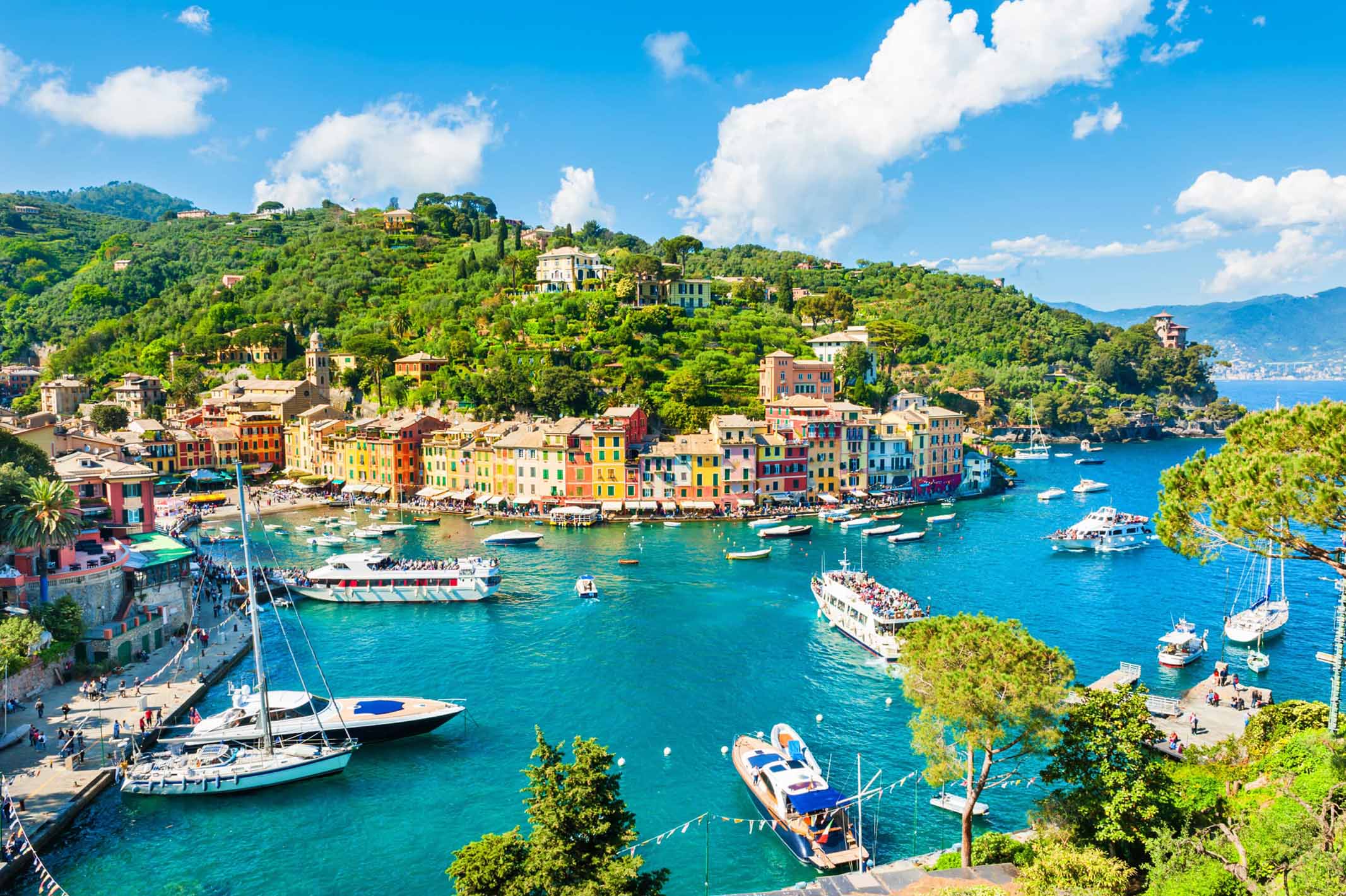
Beyond the Riviera, the Mediterranean expands into vast stretches of sea and coastline. The Gulf of Genoa and the Ligurian Sea offer a mix of open-water routes and secluded harbours. Cinque Terre, dramatically perched above the sea, offers unforgettable anchorage, while Elba and the Tuscan Archipelago blend history with convenient sailing opportunities.
Cruising along the Italian coast combines culinary delights with stunning scenery. Fresh seafood markets greet you during morning check-ins, and trattorias nestled in stone alleyways entice with local wines. Ancient ports, surrounded by fortress walls, invite sailors to step into history. Here, the journey is not just an endpoint but a rich tapestry of experiences, with each port representing a unique thread in the adventure.
Adriatic Allure
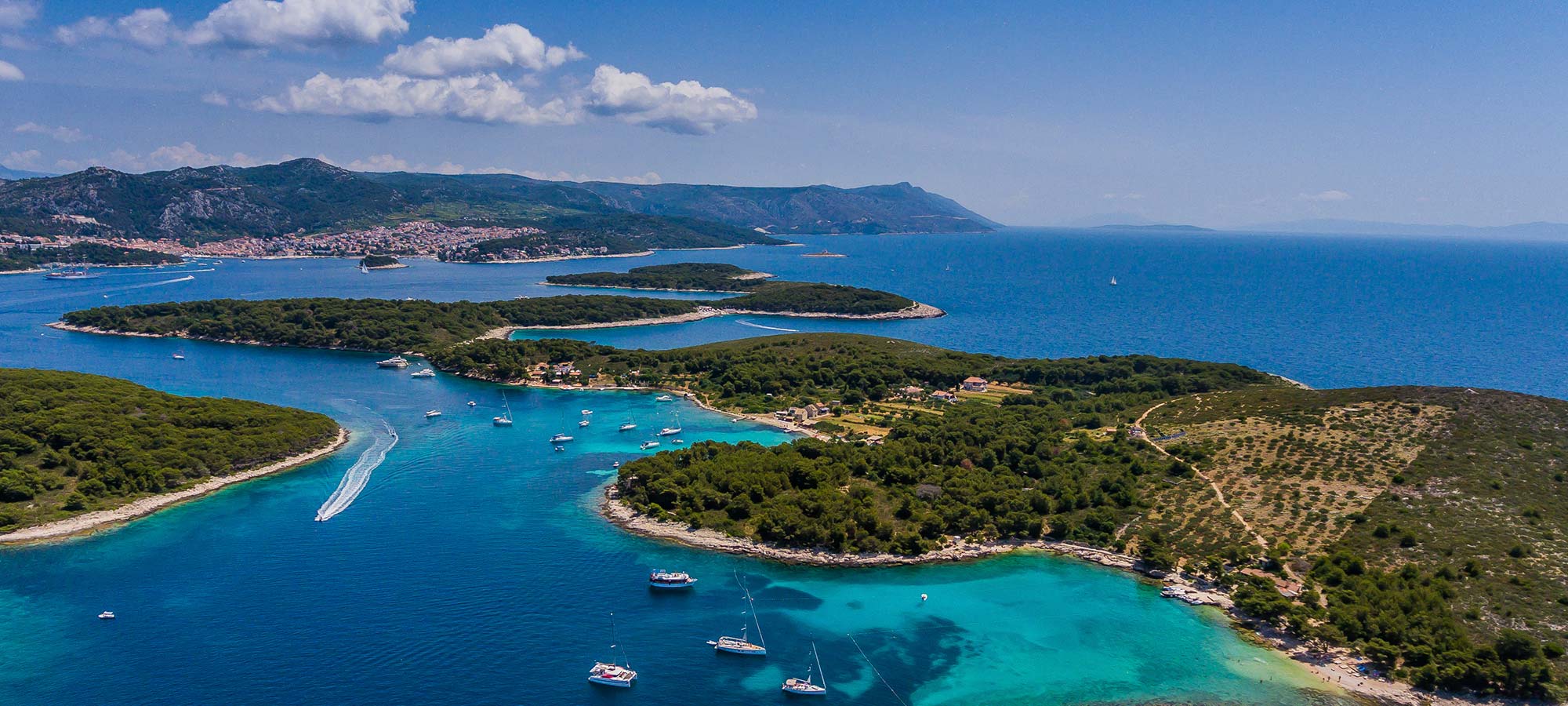
For yachts travelling eastward, the Adriatic Sea offers a striking contrast. Croatia’s Dalmatian Coast is famous for its numerous islands that stretch towards the horizon, each providing pristine anchorages and rich historical towns. Dubrovnik, with its iconic red roofs and fortified walls, attracts visitors from all over the world. However, the cruising experience here goes beyond just the landmarks; it includes quiet bays where dolphins glide through the waves and sunsets that light up the limestone cliffs in shades of pink. Navigating this area is typically straightforward due to the clear waters, frequent waypoints, and abundant shelter. The sheer number of islands encourages a leisurely pace, allowing crews to spend days hopping between shaded coves. They often pause only to swim, explore, or enjoy meals under canvas awnings.
Cycladic Dreams
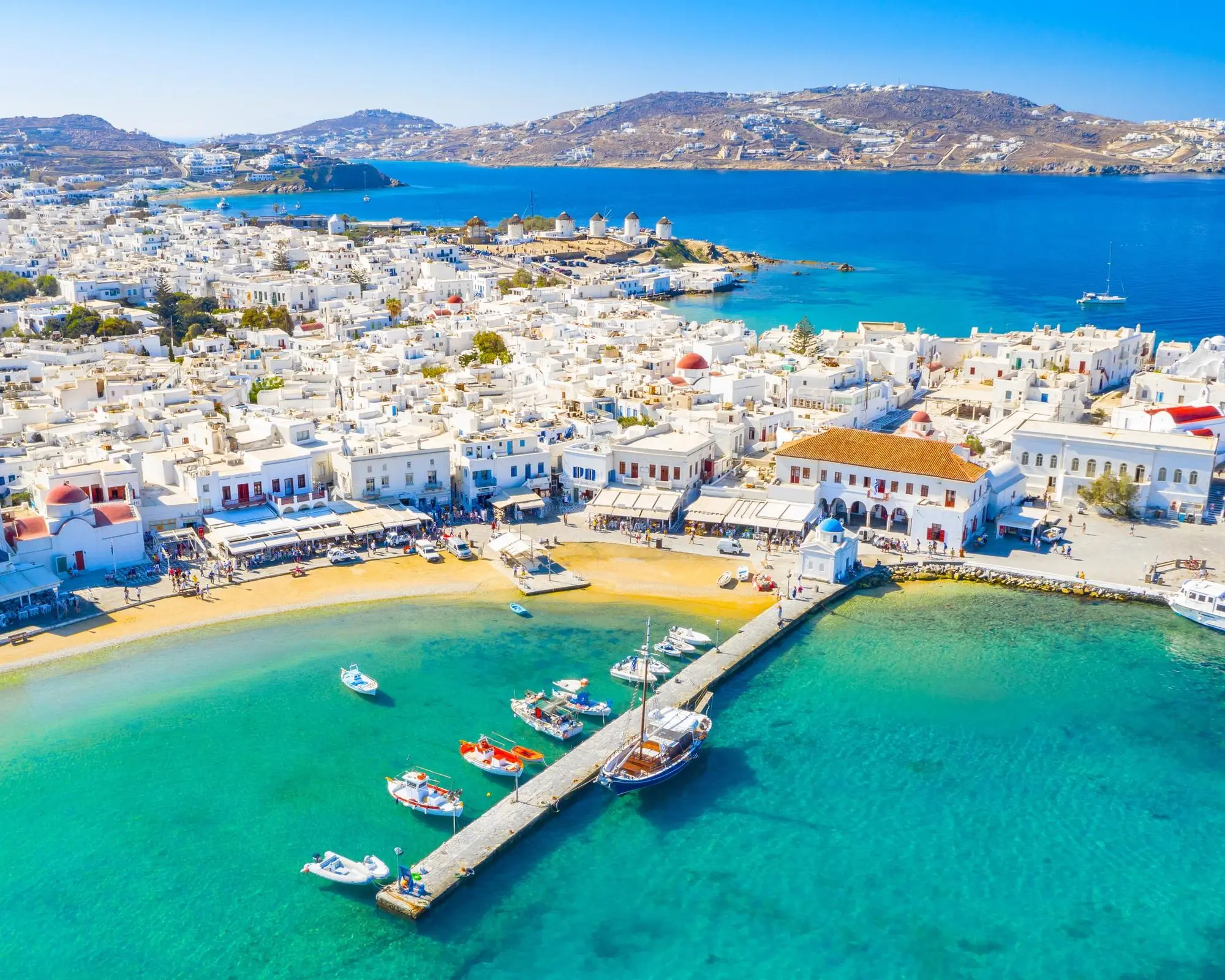
For the adventurous, the Great Migration leads to the Aegean Sea, where the Cyclades archipelago appears to float like scattered gems across the endless blue. Islands such as Mykonos, Santorini, Naxos, and many lesser-known spots offer dramatic landscapes and rich ancient history at every turn. Here, cruising becomes a rhythm of windward legs, cosy tavernas on shore, and nights spent at anchor under a canopy of stars.
The Meltemi wind, a hallmark of Aegean summers, demands respect. This steady northerly wind can buffet hulls and pose navigation challenges. However, for seasoned sailors, it is an integral part of the region’s character, a force that influences both itinerary and overall experience.
Why the Med Captivates
The Great Mediterranean Summer Migration is not only celebrated for its scenic beauty but also for the diverse experiences it offers within a single cruising season. In just a matter of weeks or months, sailors can explore calm bays and bustling ports, ancient ruins and cosmopolitan cities, as well as secluded anchorages and vibrant nightlife.
The climatic conditions play a significant role in this migration. The Mediterranean's summer weather features warm temperatures, predictable sea breezes, and extended daylight, making it ideal for cruising. Unlike the unpredictable spring weather of the Atlantic, summer in the Mediterranean encourages exploration rather than caution. However, prudent crews remain alert to its variability; squalls, sudden wind shifts, and local microclimates remind sailors that even this sunny sea requires vigilance.
Cultural richness further enhances the Mediterranean's appeal. Each country along the coast has its own language, cuisine, and maritime customs. A boat that anchored yesterday off a Spanish fishing village may today dock beside a Venetian palazzo or a Greek taverna swaying to the sounds of bouzouki music. This diversity, combined with centuries of history, leaves a lasting impression on sailors long after the season concludes.
The Community That Forms at Sea
One of the most lasting features of the Mediterranean cruising season is the strong sense of community that forms among yachts. In contrast to lonely journeys marked by silence, the Mediterranean's network of anchorages and marinas fosters vibrant social interactions. Activities like dockside barbecues, spontaneous regattas, and shared weather briefings become part of the daily experience. This community cuts across all types of sailors. It brings together families on cruising catamarans, charter crews enjoying a week of exploration, seasoned passagemakers in performance monohulls, and owners of luxurious superyachts. The bond that unites them isn’t based on yacht jargon or technical speak, but rather a shared appreciation for the sea's beauty, the diverse places they explore, and the thrill of adventure.
Challenges and Responsibilities
Despite its undeniable charm, Mediterranean cruising comes with its own set of challenges. During peak season, popular anchorages can get quite crowded, making it essential to plan and arrive early. Furthermore, issues like environmental degradation, heavy marine traffic, pollution, and damage to underwater ecosystems have led to stricter regulations and a push for more sustainable practices. Today, responsible cruising means being mindful of anchoring rules, adhering to marine protected areas, and managing waste carefully. Many marinas are now implementing environmental certification programs, and cruising guides are increasingly focusing on eco-friendly practices. For cruising yachts, a sense of stewardship has become an unspoken ethos: relish the beauty of the waters but also protect them.
The Return North
As summer starts to fade and the cool breezes of September begin to make their presence known, the great parade of yachts shifts gears. Some take their time, enjoying the last of the season's winds and the serene anchorages. Meanwhile, others methodically retrace their routes, making their way back to home ports before autumn storms begin to intensify.
The return journey often carries a sense of tranquillity and reflection. Crews hold onto memories of sun-soaked days, dishes that tantalised their taste buds, and new friendships formed at the docks along the Mediterranean. For many, this season becomes a cherished chapter in a larger narrative, one that will be revisited during winters filled with repairs, planning, and dreaming about the adventures that lie ahead.
Migration as Metaphor
Ultimately, the Great Med Summer Migration is more than just a seasonal journey; it reflects a deep-rooted human desire to follow the rhythms of nature, pursue warmer climates, and connect with others across the water. It stands as a powerful reminder of how the sea can influence our lives, spark our curiosity, and unite diverse cultures.
The Most Popular ‘Bandersnatch’ Choices Show We're Not All Complete Monsters
BY: Taylor Hosking
The Most Popular ‘Bandersnatch’ Choices Show We're Not All Complete Monsters
BY: Taylor Hosking
The Most Popular ‘Bandersnatch’ Choices Show We're Not All Complete Monsters
BY: Taylor Hosking
suggestions
-
Water Sports
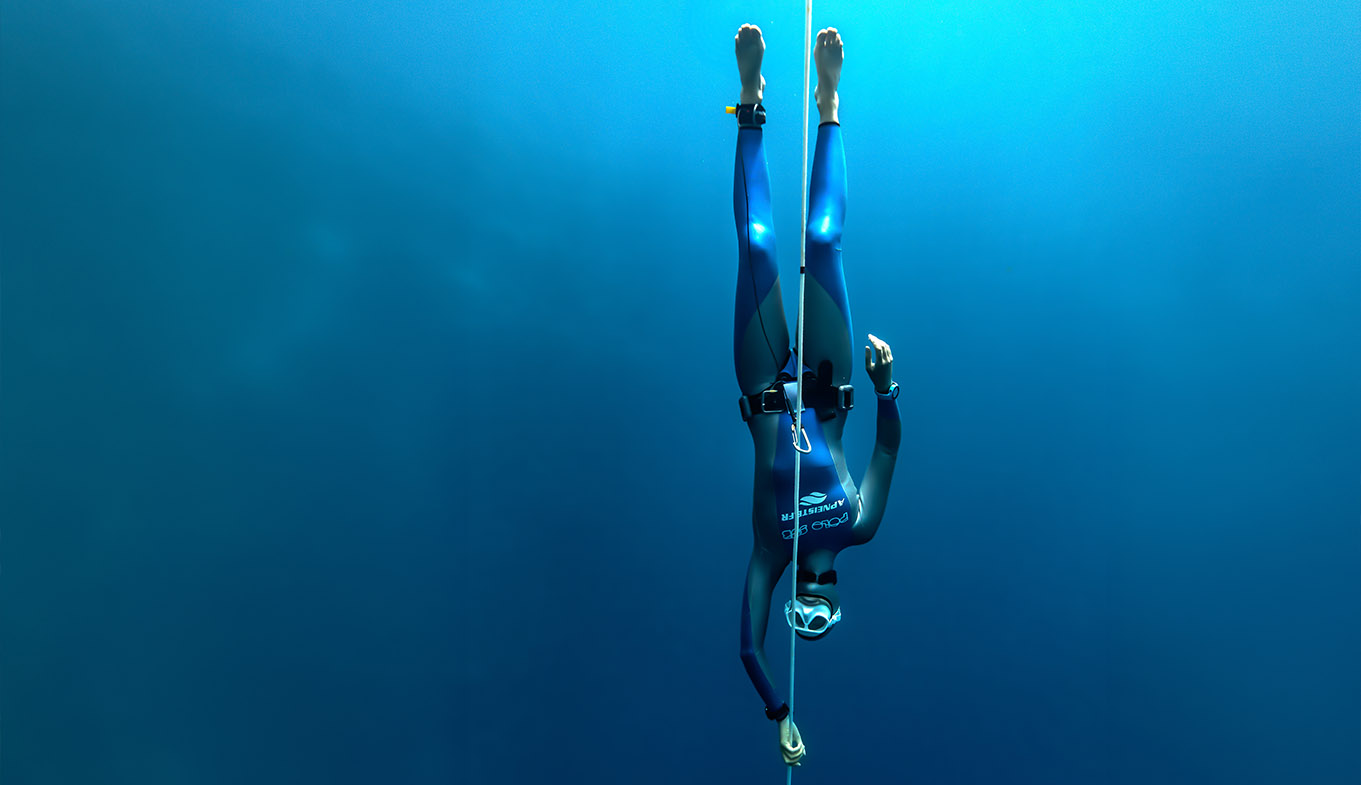
Freediving in Egypt
Exploring the Red Sea on a Single Breath
-
Water Sports
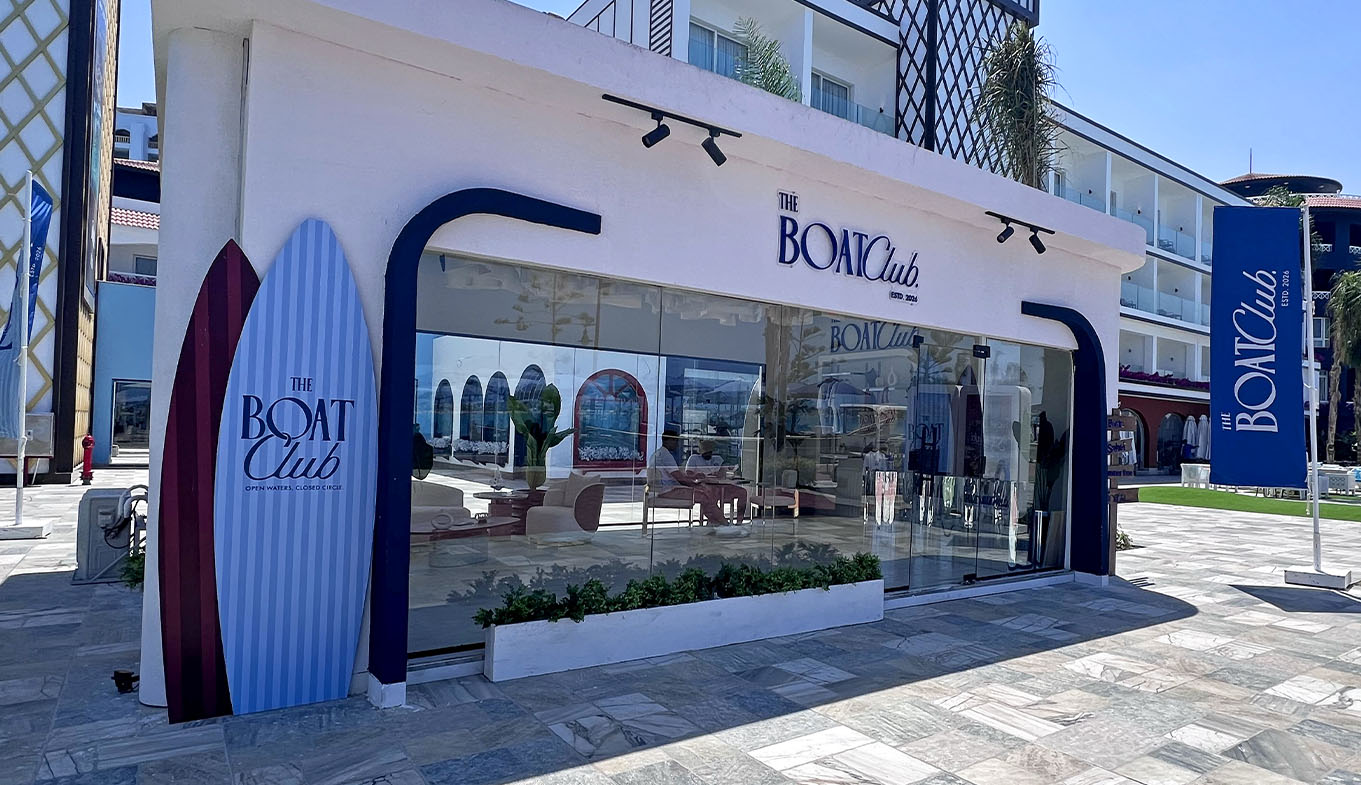
The Boat Club
Porto Marina to Hosted the First Edition of The Boat Club - Egypt
-
Water Sports
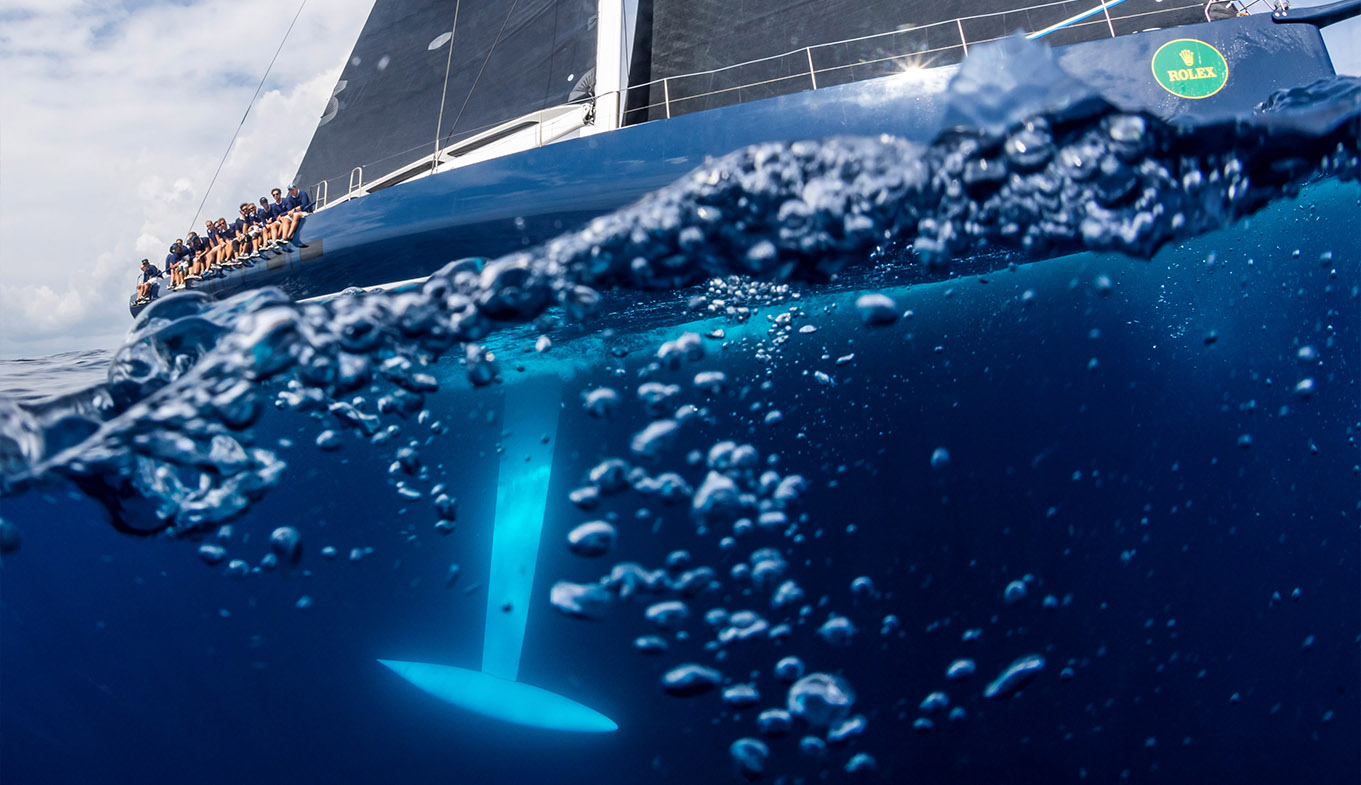
Rolex and the World’s Most Prestigious Regattas
A Natural Alliance Between Time and the Sea
-
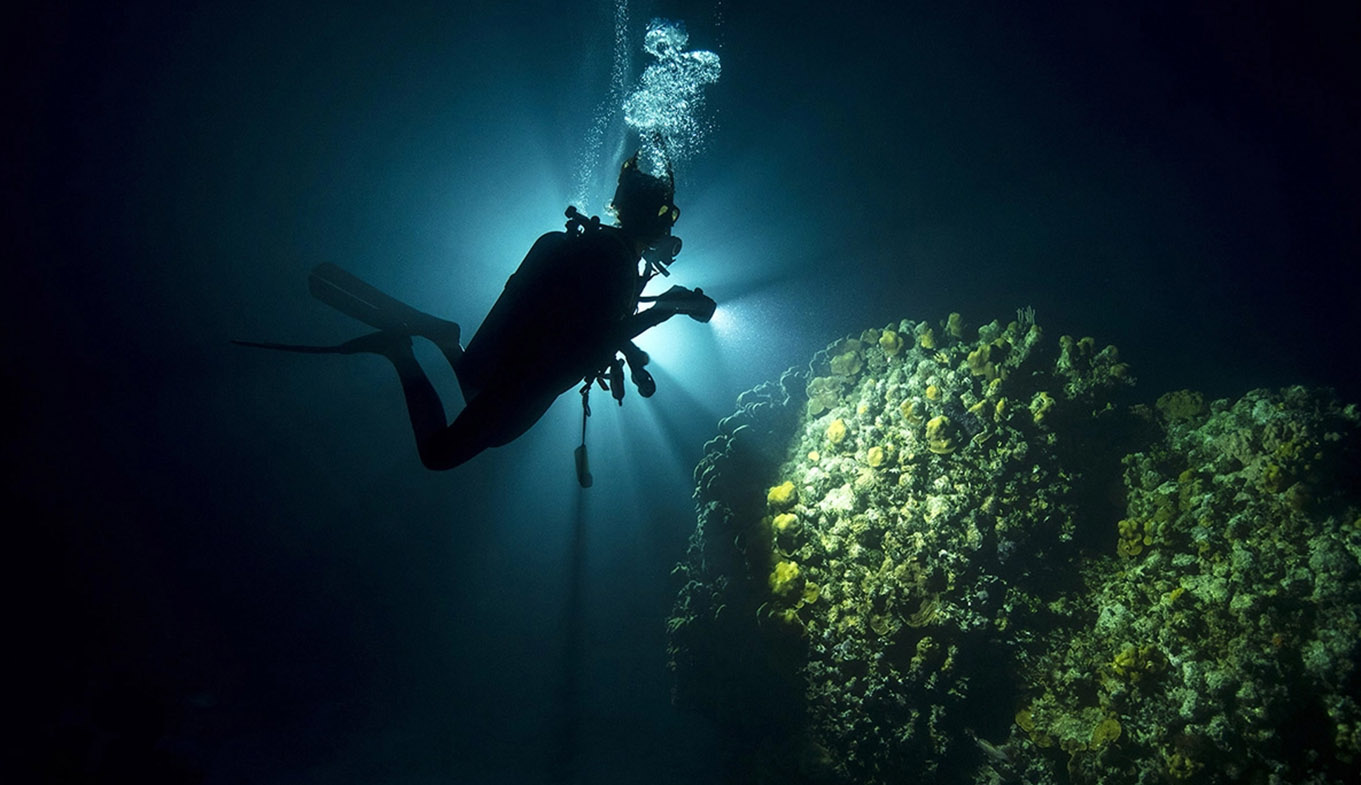
Water Sports
Exploring the Red Sea at Night
After Hours Underwater
-
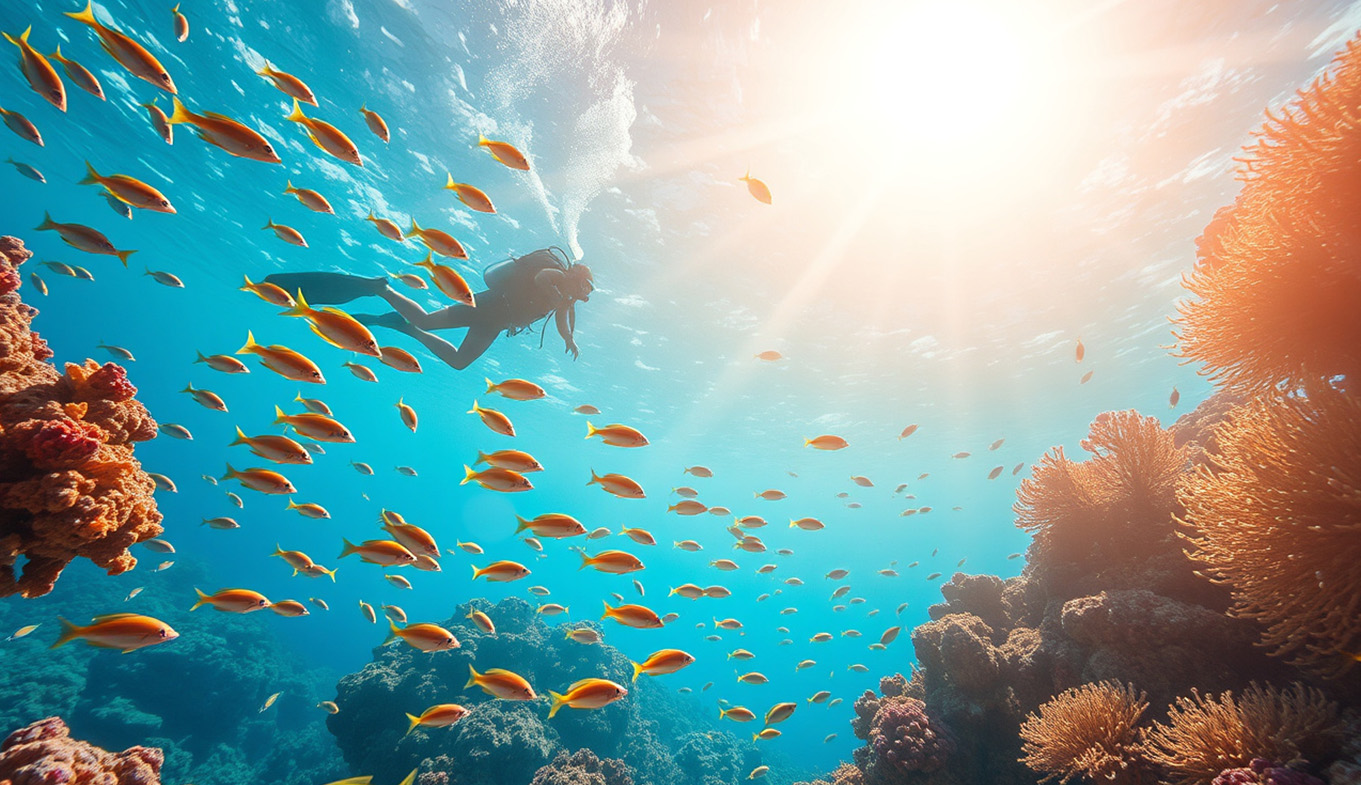
Water Sports
A Diver’s Paradise
Egypt’s Top Diving Destinations
-
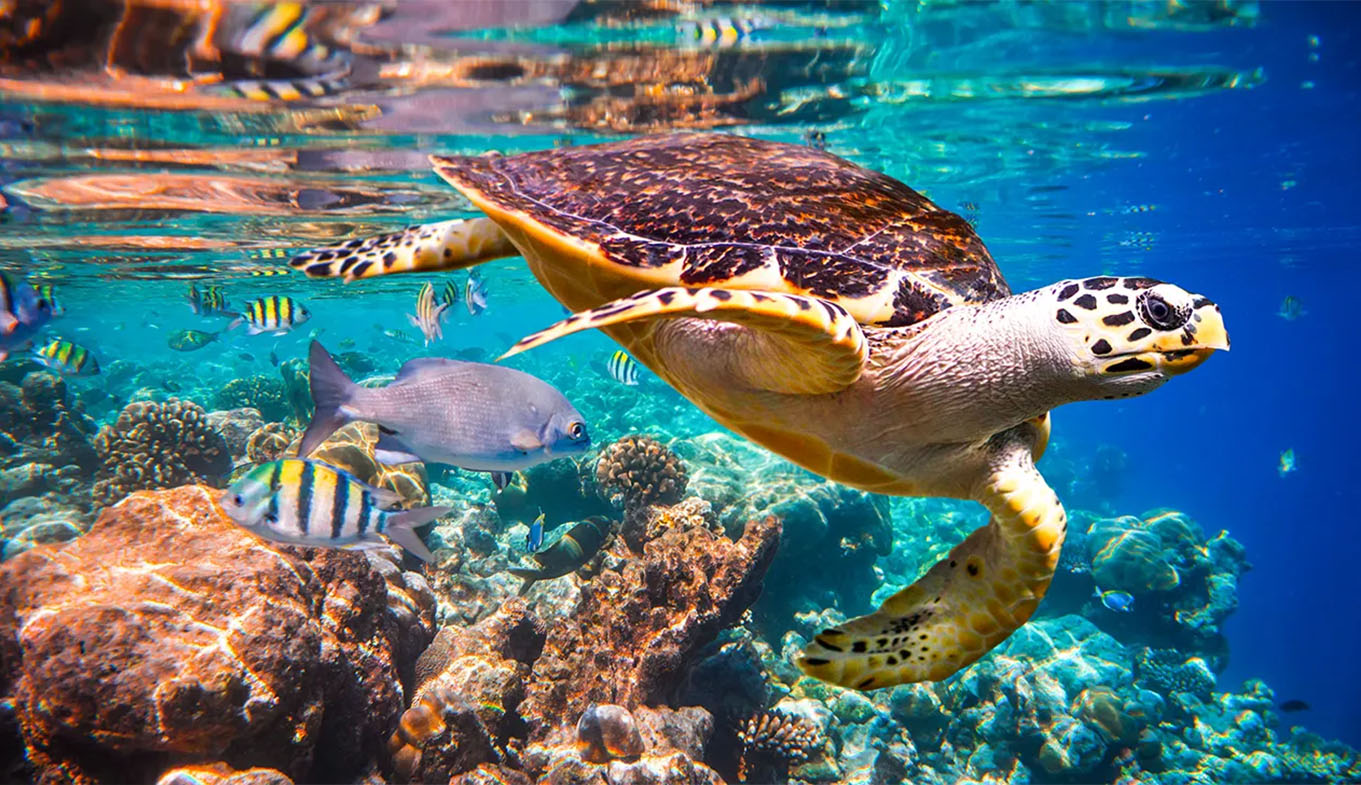
Water Sports
A Fragile Paradise
Endangered Wildlife of the Red Sea
Water Sports
Freediving in Egypt
Exploring the Red Sea on a Single Breath
Water Sports
The Boat Club
Porto Marina to Hosted the First Edition of The Boat Club -
Water Sports
Rolex and the World’s Most Prestigious Regattas
A Natural Alliance Between Time and the Sea
Water Sports
Exploring the Red Sea at Night
After Hours Underwater
Water Sports
A Diver’s Paradise
Egypt’s Top Diving Destinations
Water Sports
A Fragile Paradise
Endangered Wildlife of the Red Sea