August 16, 2026
Why Mountain Climbing Is the Ultimate Test of Body and Mind
High above the clouds where the air is thin, and every breath feels like hard work, the world seems to slow down. Legs ache after hours of climbing, fingers grow numb in the cold, and even taking a few steps can feel like running a marathon. Yet despite the exhaustion, thousands of people willingly put themselves through this every year, chasing the indescribable feeling of standing on top of the world. Mountain climbing isn’t simply about reaching the highest point on Earth. It’s about pushing beyond physical pain, overcoming fear and discovering just how resilient the human mind can be. Every summit tells a story of determination, sacrifice and perseverance.
A Sport That Pushes Every Part of the Body
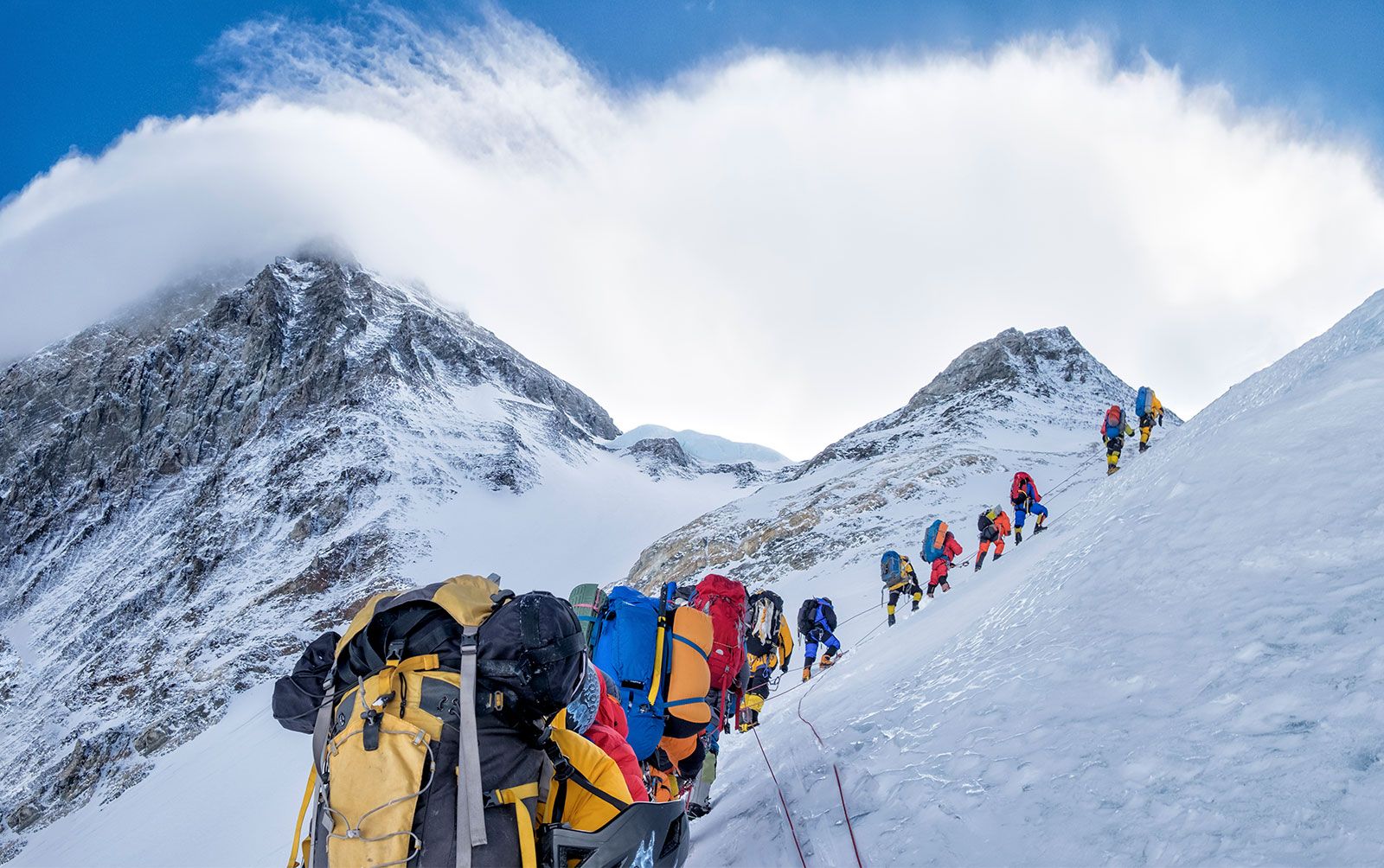
Mountain climbing is often described as one of the most physically demanding sports in the world, and it’s easy to understand why. Unlike a football match or a gym session that lasts an hour or two, climbing expeditions can stretch over several weeks, with athletes spending up to 15 hours a day walking uphill while carrying heavy packs filled with food, clothing and safety equipment.
Every muscle is put to work. Powerful legs drive climbers up steep slopes, the core keeps them balanced on uneven terrain, while the upper body is constantly engaged when using ropes, scrambling over rocks or hauling equipment. Even the heart and lungs are under relentless pressure as they work overtime to deliver oxygen around the body.
As climbers gain altitude, that challenge becomes even greater. Although the percentage of oxygen in the air stays the same, the thinner the atmosphere means there is far less oxygen available with every breath. On Mount Everest, climbers are working with only around a third of the usable oxygen they would have at sea level. Suddenly, simple tasks – zipping up a jacket or tying a shoelace – can leave someone gasping for air.
Then there are the elements. Temperatures can plunge well below freezing, powerful winds can knock climbers off balance, and snowstorms can appear with little warning. Add the constant risk of dehydration, altitude sickness and exhaustion, and it’s clear that the mountain is testing far more than physical fitness.
The Toughest Battle Happens in the Mind
If the body gets a climber up the mountain, it’s the mind that usually gets them back down. Experienced mountaineers often say that climbing is as much a psychological challenge as a physical one. Fear is impossible to avoid. There are moments when the path narrows to little more than a rocky ledge, when storms roll in unexpectedly or when one wrong step could have serious consequences. The challenge isn’t to stop feeling afraid; it’s learning how to think clearly despite that fear.
Climbers spend months training their minds to remain calm under pressure. Many practise controlled breathing to lower their heart rate, while others use visualisation techniques, mentally rehearsing difficult sections of a climb before they even leave home. Breaking enormous goals into smaller milestones also helps. Instead of focusing on reaching the summit, they concentrate on making it to the next checkpoint, the next ridge or simply taking one more step.
Perhaps the hardest lesson mountain climbing teaches is knowing when to turn around. After months of preparation, years of dreaming and thousands of pounds spent on an expedition, walking away from the summit can feel heartbreaking. Yet some of the greatest climbers in history have done exactly that because they recognised that no mountain is worth risking a life. In mountaineering, success isn’t measured only by reaching the top; it is measured by returning home safely.
Egypt’s Climbers Are Reaching New Heights
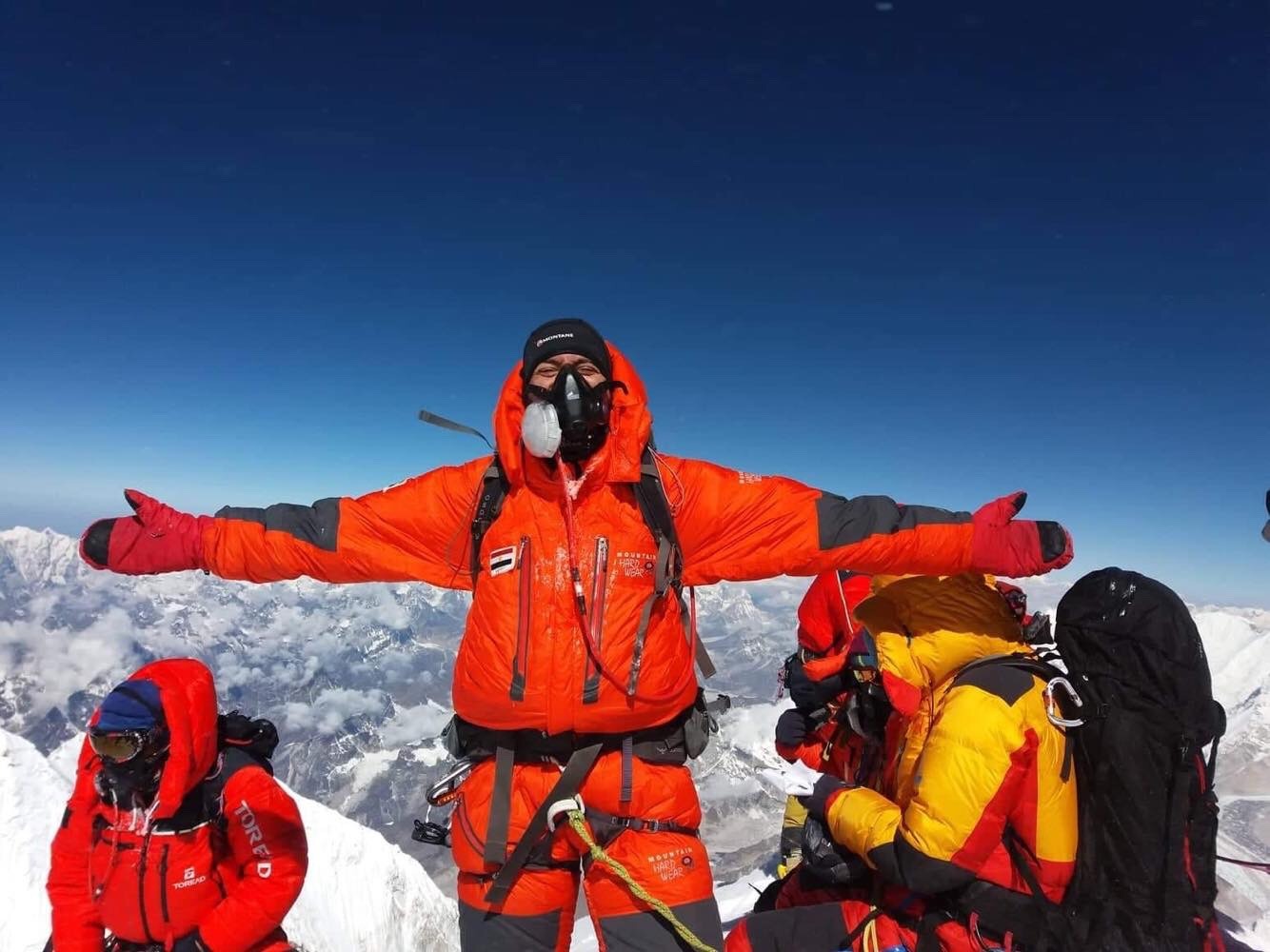
Egypt may be better known for its deserts and ancient monuments than towering snow-covered mountains, but that hasn’t stopped Egyptian adventurers from making history. One of the country’s best-known mountaineers is Omar Samra, who became the first Egyptian to reach the summit of Mount Everest in 2007. It was a landmark achievement, proving that passion and determination matter far more than where you come from. Samra didn’t stop there. He went on to complete the Seven Summits challenge by climbing the highest mountain on every continent before becoming the first Egyptian to complete the Explorers Grand Slam, which combines the Seven Summits with expeditions to both the North and South Poles. Throughout his career, Samra has spoken openly about the life lessons mountains have taught him. He often describes climbing as a metaphor for overcoming challenges, explaining that resilience, patience and preparation matter far more than talent alone.
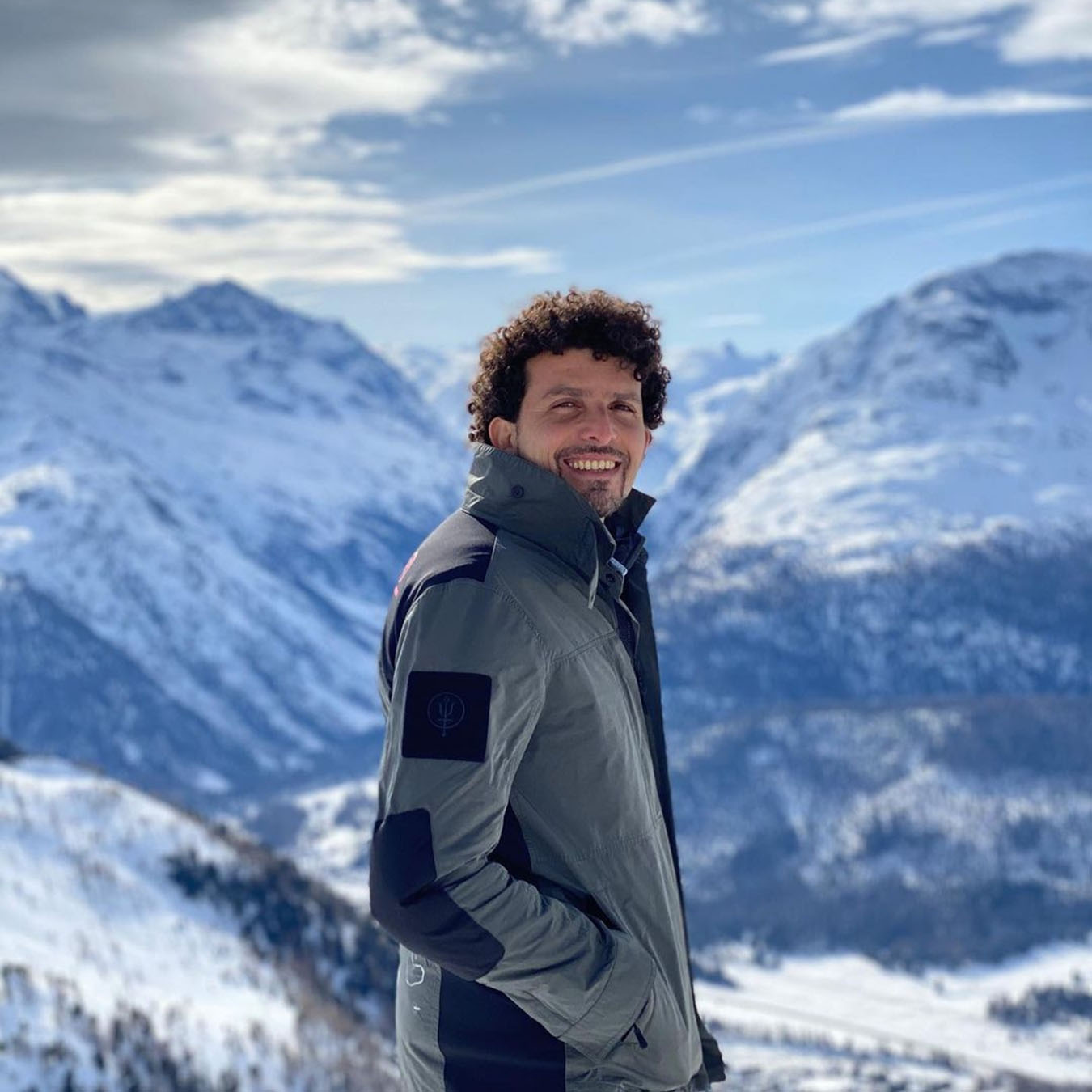
Another climber inspiring a new generation is Sherif El Abd, who became the second Egyptian to stand on the summit of Mount Everest in 2019. His success demonstrated that Egyptian athletes can compete on the world’s highest mountains despite growing up far from alpine environments. Closer to home, the Sinai Peninsula has become an important training ground for hikers and climbers. Peaks such as Mount Catherine, the highest mountain in Egypt, and the iconic Mount Sinai provide challenging routes that help build endurance, confidence and navigation skills before larger international expeditions.
When Nature Has the Final Say
For all its beauty, mountain climbing remains one of the world’s most unforgiving sports. No amount of experience can eliminate the dangers posed by avalanches, rockfalls, sudden storms or altitude sickness. Every year, even highly experienced mountaineers lose their lives in the pursuit of reaching the world’s highest peaks. The climbing community was recently devastated by the loss of renowned mountaineer Nirmal Purja, better known as “Nimsdai”. Famous for climbing all 14 of the world’s 8,000-metre peaks in a record-breaking six months and inspiring millions through the documentary 14 Peaks: Nothing is Impossible, Purja was among a group of climbers who tragically died in an avalanche on Broad Peak in Pakistan in August 2026.
His death sent shockwaves through the mountaineering world and served as a sobering reminder that mountains cannot be conquered; they can only be respected. Even the strongest, most experienced climbers remain at the mercy of nature.
More Than a Summit
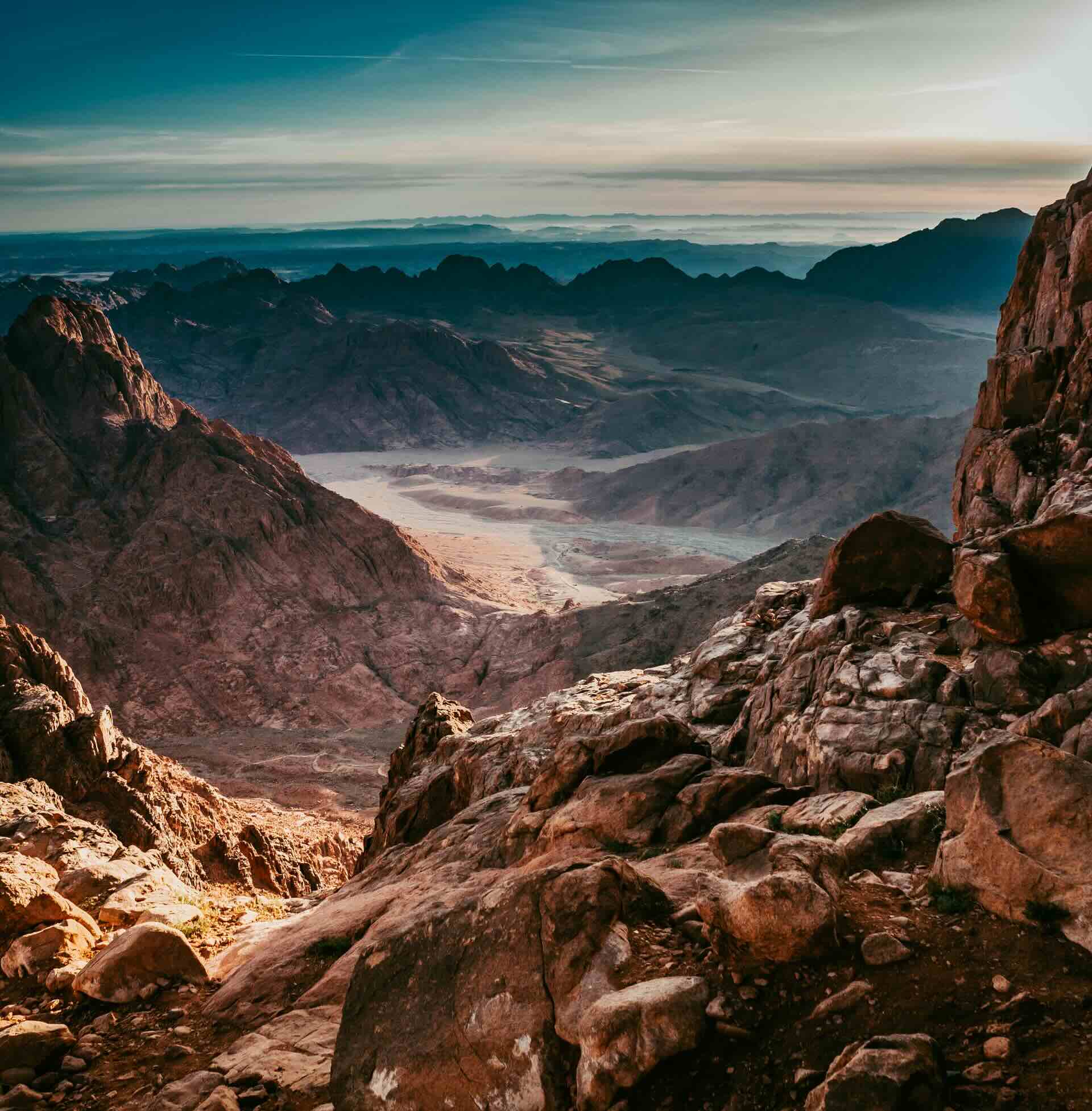
Ask a mountaineer about their greatest achievement, and many won’t talk about standing atop a mountain. Instead, they will speak about the confidence they gained, the friendships they formed and the resilience they discovered along the way. Mountain climbing has a remarkable way of stripping life back to its essentials. When you’re focused on your next breath, your next foothold and the person climbing beside you, everyday worries seem insignificant. Perhaps that’s why people keep returning to the mountains despite the risks. They aren’t just searching for spectacular views; they’re searching for perspective. Whether climbing the rugged peaks of Egypt’s Sinai Peninsula or standing beneath the towering Himalayas, every mountain offers the same lesson: our greatest limits are often the ones we place on ourselves. Reaching the summit may be unforgettable, but the person you become on the journey is the achievement that lasts a lifetime.
The Most Popular ‘Bandersnatch’ Choices Show We're Not All Complete Monsters
BY: Taylor Hosking
The Most Popular ‘Bandersnatch’ Choices Show We're Not All Complete Monsters
BY: Taylor Hosking
The Most Popular ‘Bandersnatch’ Choices Show We're Not All Complete Monsters
BY: Taylor Hosking
suggestions
-
Health & Fitness
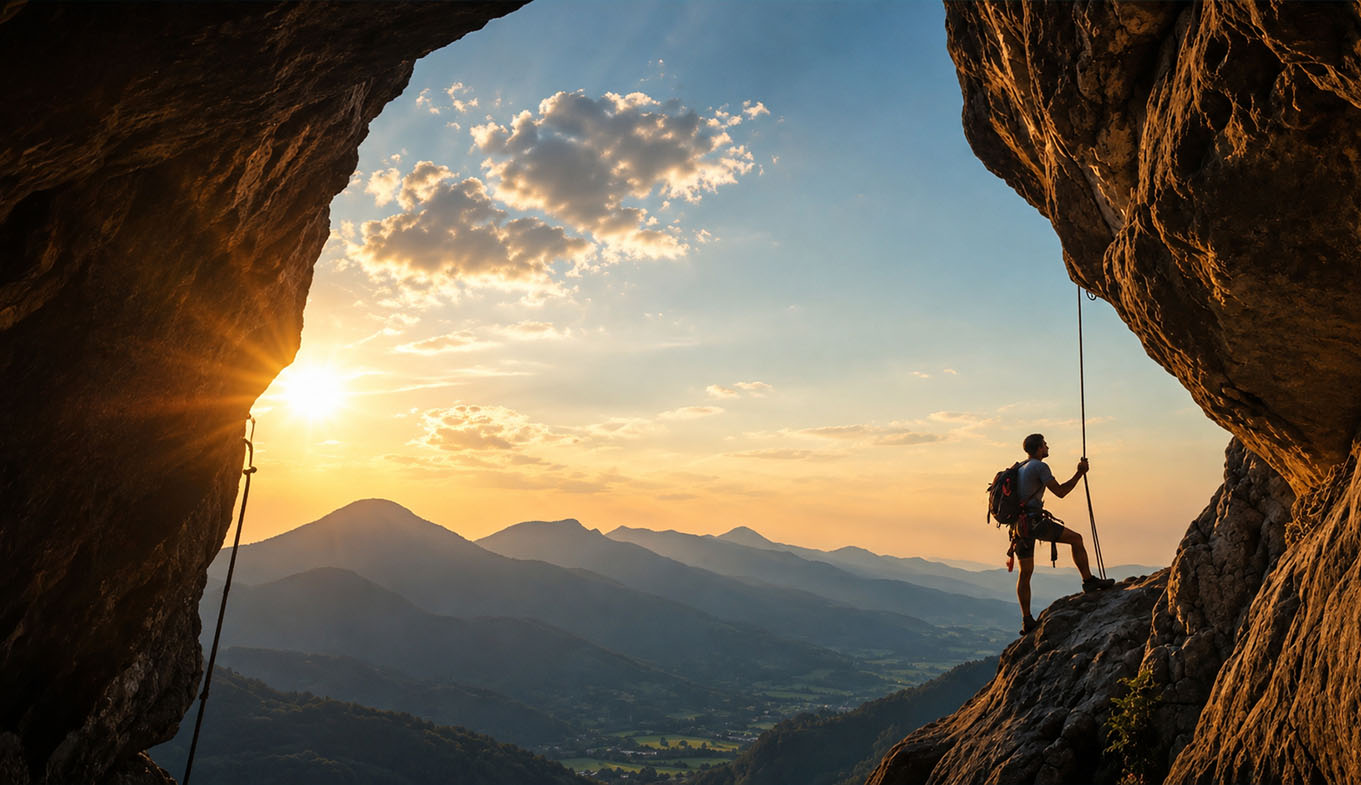
Beyond the Summit
Why Mountain Climbing Is the Ultimate Test of Body and Mind
-
Health & Fitness
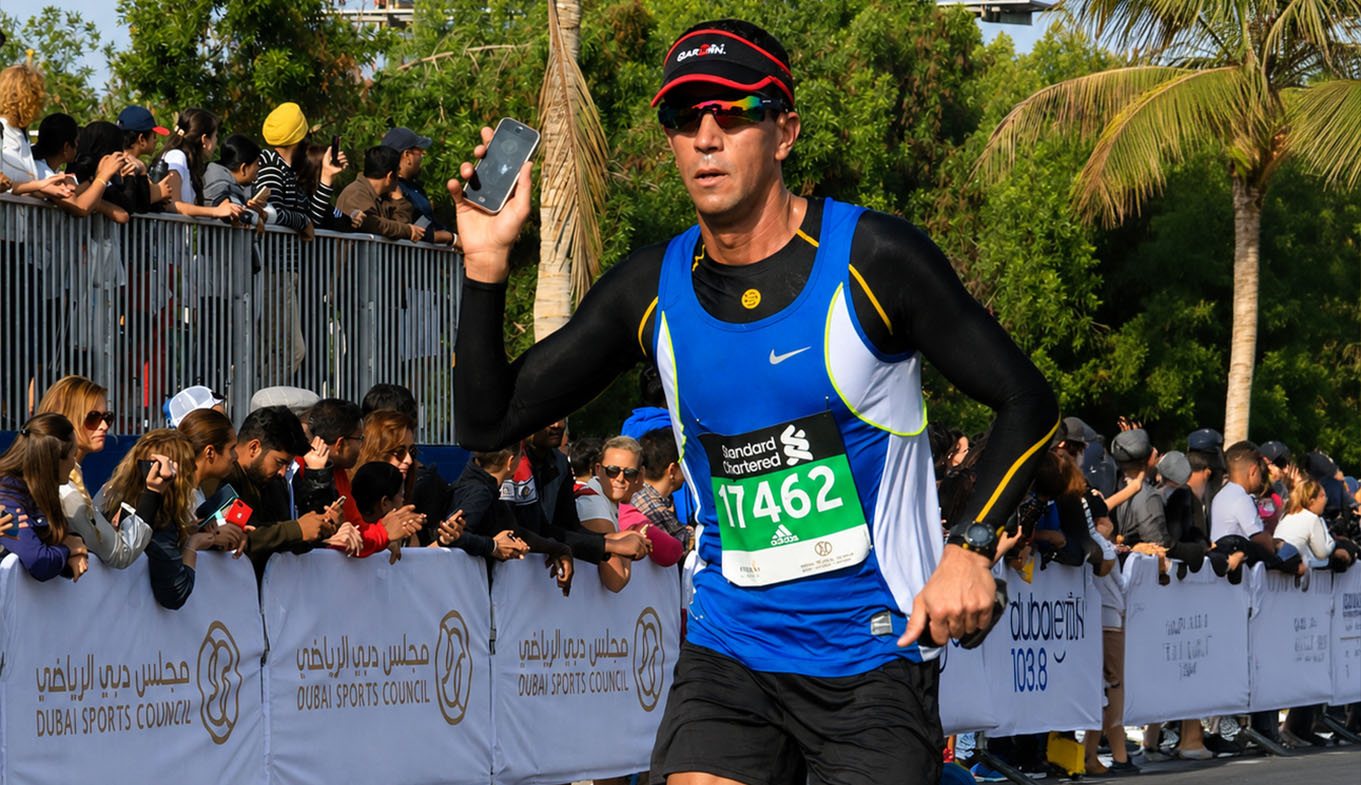
The Shock of Kinetic Silence
How Carbohydrate Deficiency and Poor Training Turn Endurance Athletes' Bones to Glass
-
Health & Fitness
Reda Ragab
A business man who changed the nutraceutical and supplement industry in Egypt
-

Health & Fitness
Mahmoud Ezz
Transformative Fitness: Unlocking a Healthier Life with Mahmoud Ezz
-

Health & Fitness
Royal Health Club and Spa
Awaken your senses at Royal Health Club and Spa At Grand Nile Tower Hotel
-

Health & Fitness
Unlocking Wellness
The Benefits of Ice Baths, Saunas, and Steam Rooms
Health & Fitness
Beyond the Summit
Why Mountain Climbing Is the Ultimate Test of Body and Mind
Health & Fitness
The Shock of Kinetic Silence
How Carbohydrate Deficiency and Poor Training Turn Endurance
Health & Fitness
Reda Ragab
A business man who changed the nutraceutical and supplement
Health & Fitness
Mahmoud Ezz
Transformative Fitness: Unlocking a Healthier Life with Mahm
Health & Fitness
Royal Health Club and Spa
Awaken your senses at Royal Health Club and Spa At Grand Nil
Health & Fitness
Unlocking Wellness
The Benefits of Ice Baths, Saunas, and Steam Rooms