August 16, 2026
Inside Egypt's Race to Recruit Its Diaspora
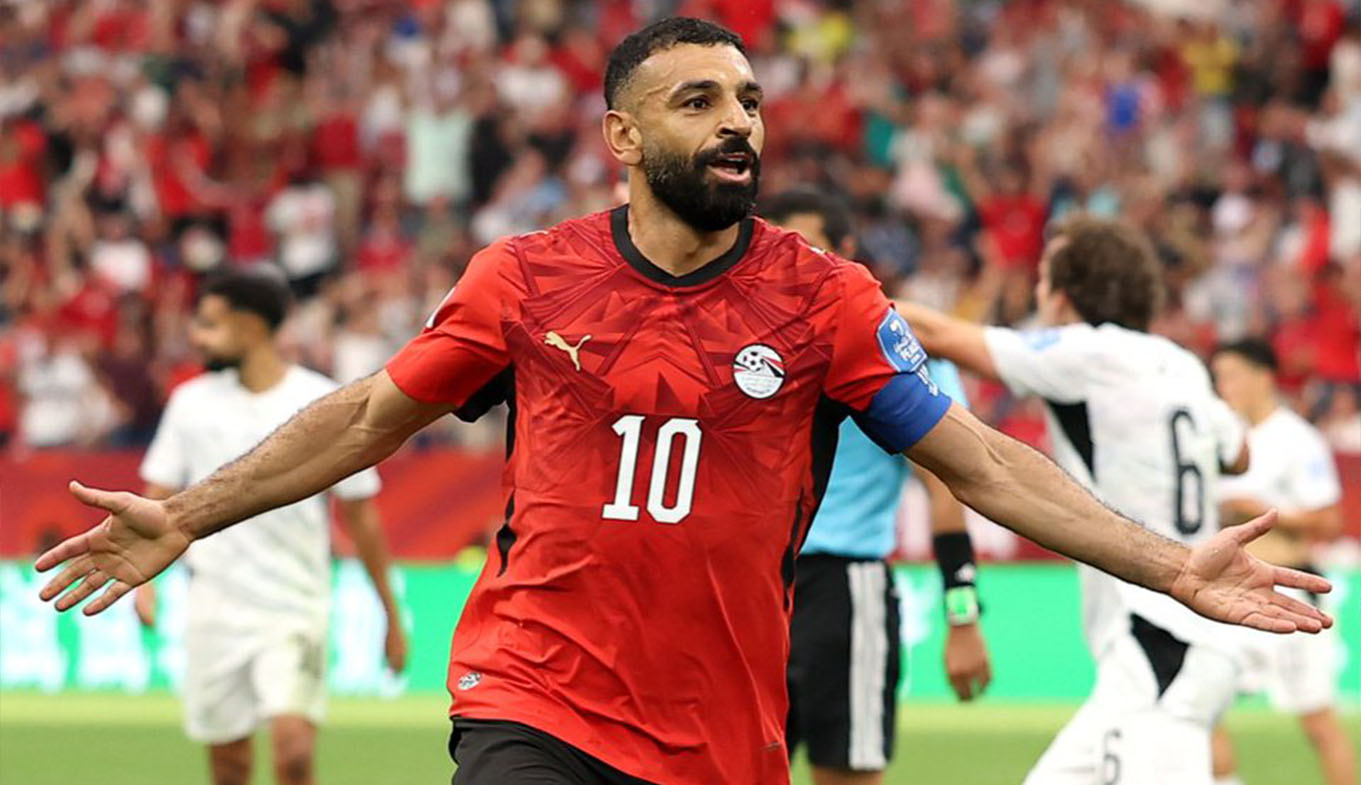
For most of the last two decades, the story of Egyptian football has really been the story of one man. Mohamed Salah has carried the national team's ambitions on his shoulders through three Africa Cup of Nations finals and a World Cup qualification campaign, and for a long time the Egyptian Football Association seemed content to build everything around him rather than ask the harder question of what happens once he is gone. That question has finally forced its way to the front of the conversation, and the answer the federation has settled on is not a new domestic academy system or a coaching revolution. It is something quieter and, in some ways, more pragmatic. Egypt is going to look for its next generation of stars in the stands of European academies and the youth ranks of clubs its own fans have never heard of, among the sons and grandsons of Egyptians who emigrated to France, Germany and England decades ago.
A Squad Already Built on Dual Heritage
It would be easy to overstate how far this shift has already gone, so it's worth being precise about where things actually stand. Egypt's 26-man squad at the 2026 World Cup contained just one player born outside the country; Haissem Hassan, born in France. The senior team that went to the tournament, and the 28-man squad that competed at the 2025 Africa Cup of Nations, where Egypt finished fourth after losing to Senegal in the semi-finals and to Nigeria on penalties in the third-place playoff, remained built almost entirely around players who came up through Al Ahly, Zamalek, Pyramids and Egypt's other domestic clubs. This is not, yet, a wholesale changeover in how Egypt fills its national team. It is the early, visible edge of a strategy the federation is only now starting to formalize.
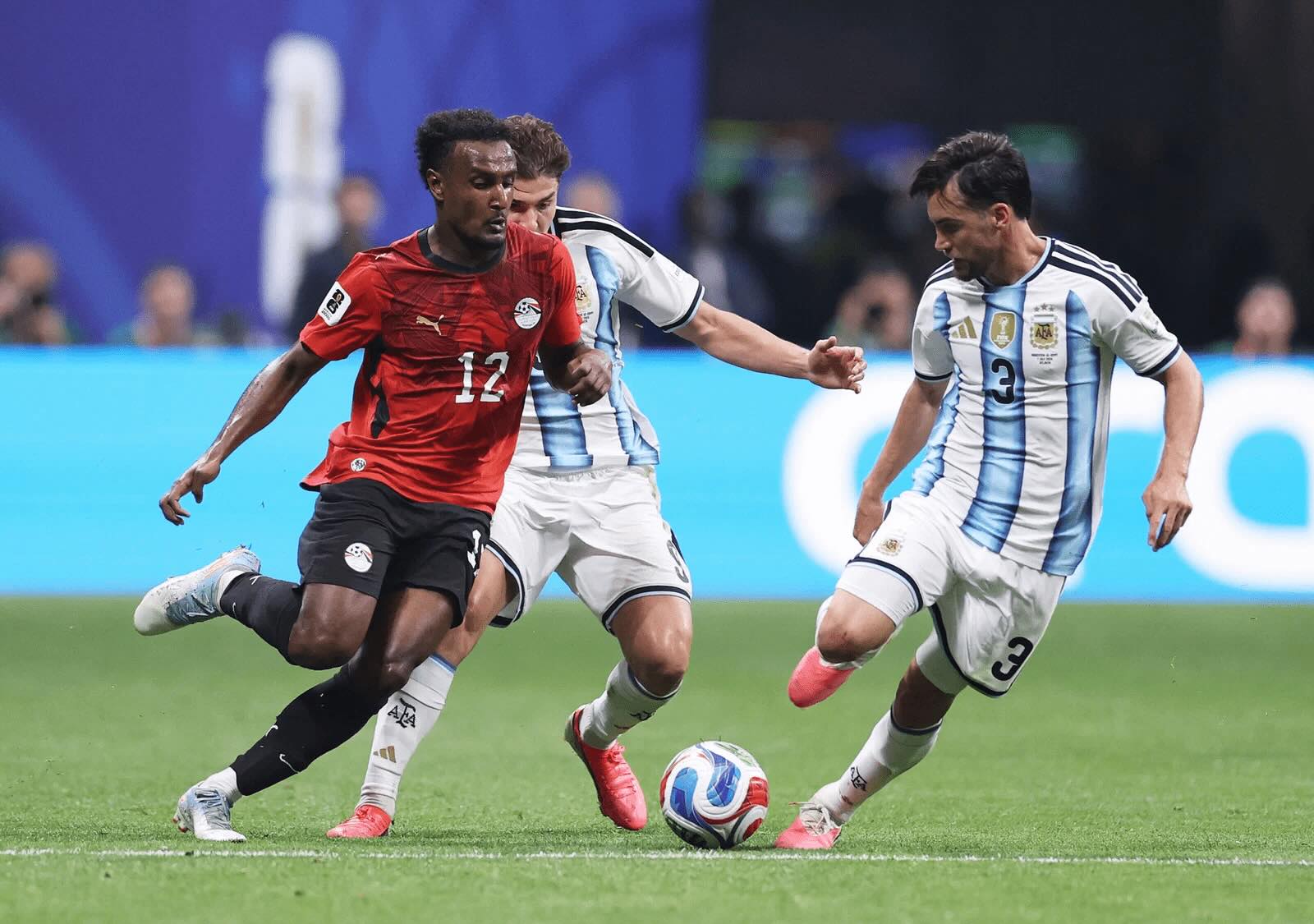
That makes the one clear exception all the more instructive. Haissem Hassan was born in Bagnolet, near Paris, to an Egyptian father and a Tunisian mother, came through the youth system at Paris FC and Châteauroux, and represented France at both under-17 and under-18 level before eventually committing to Egypt, making his senior debut for the Pharaohs in March 2026. His path to Real Oviedo ran through Villarreal, and loan spells at Mirandés and Sporting Gijón, a longer and more circuitous route than his World Cup breakout suggested to newcomers. Hassan was a relative unknown outside Egyptian football circles heading into the tournament, but when he was thrown on against Argentina in the round of sixteen, he set up Egypt's second goal and repeatedly ran at Argentina's defence before being substituted in the 73rd minute, after which Egypt's control of the game visibly slipped away. Egypt lost 3–2, but Hassan left the tournament as the clearest proof of concept the federation could have asked for: a player developed almost entirely outside Egypt's own footballing infrastructure had nearly ended Argentina's title defence.
Building the Pipeline Behind the Headline Names
The Egyptian Football Association did not wait for Hassan's heroics to start formalising this approach, though his performance has clearly accelerated it. In July 2025, under EFA president Hany Abo Rida, the federation established a Committee for Egyptian Players Abroad, tasked with identifying eligible players overseas, maintaining a running database of their details, contacting them and their families directly, and handling the considerable paperwork required to switch international allegiance under FIFA's eligibility rules. A year later, in July 2026, Egyptian media reported that the federation was preparing to expand that structure into a more unified recruitment committee spanning every national team age group, from the youth ranks up to the senior side, with former players reportedly under consideration for roles on the panel.
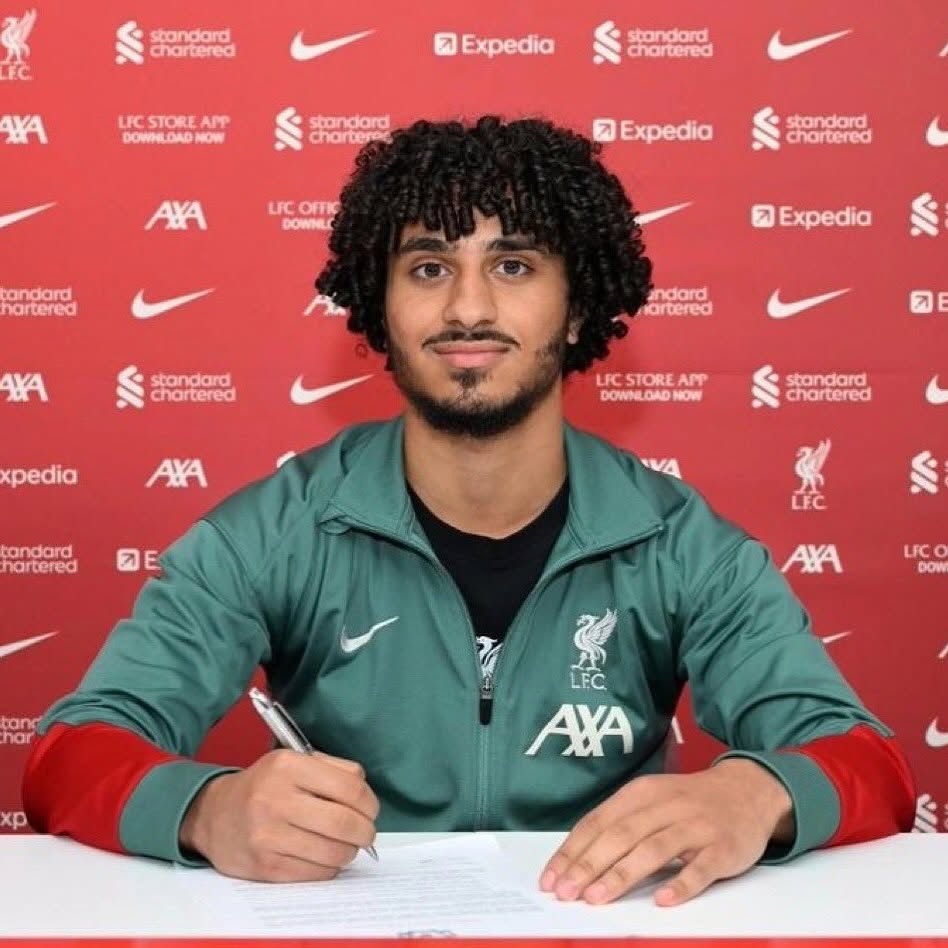
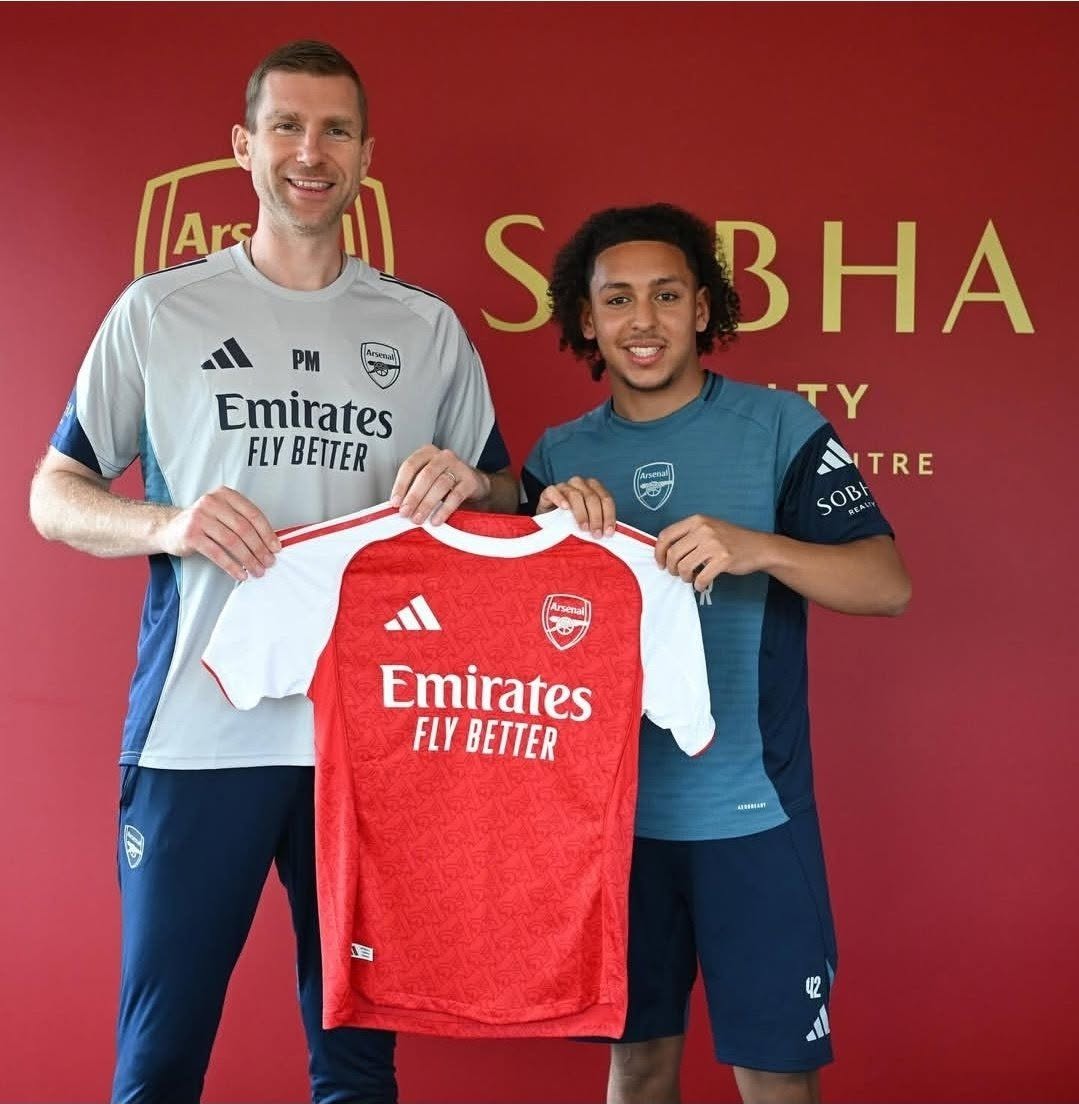
The names already moving through this pipeline illustrate exactly what the federation is looking for and where it expects to find it. Kareem Ahmed has been on Liverpool's books since the age of six, worked his way through the club's youth cup and Premier League age group sides, and signed his first professional contract with the club in the summer of 2025 before stepping up to their under-21 squad. Selim Taleb plays for Hertha Berlin; Omar Abdelmeguid is a twenty-year-old centre-back who has come through Hamburg's system with the physical profile and versatility Egypt's coaching staff have identified as a priority position, and Radwan Hamzawi, who captains Auxerre's youth side in France and holds Egyptian, French and Congolese nationality, has been earmarked as an attacking talent capable of playing across the front line. Alongside them, Cam'ron Ismail has come through Arsenal's academy and Thibo Gabriel through Mainz, both already integrated into Egypt's youth national teams as the federation attempts to lock in their allegiance well before a rival football association comes calling.
Why the Model Makes Sense, and Where It Strains
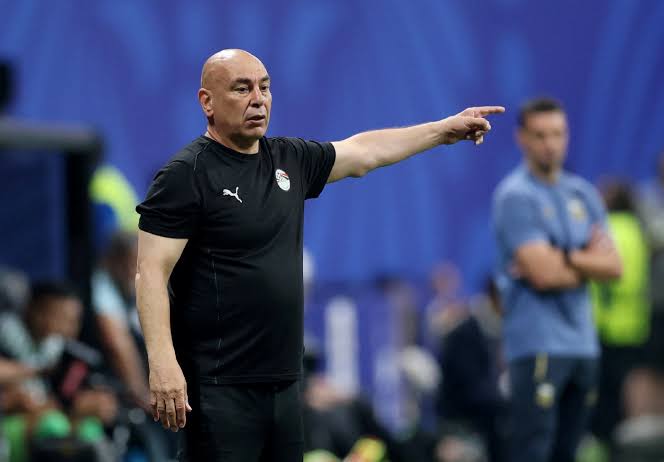
The logic behind all of this is not difficult to follow. Egypt has one of the largest diaspora populations in Africa, with sizeable communities in France, Germany, the United Kingdom and across the Gulf, and those communities have been sending children through some of Europe's best youth academies for a generation without the Egyptian federation making any coordinated effort to track them. Meanwhile, a country like Morocco has already demonstrated what happens when a federation gets this process right, systematically identifying and recruiting dual nationality talent to build a squad that reached a World Cup semi-final and now regularly competes with sides possessing far larger populations and far richer domestic leagues. Egypt's football writers and executives have drawn that comparison openly, and Hossam Hassan, the current head coach, has built much of his recent selection philosophy around exactly this idea, leaning on overseas talent to supplement, rather than replace, the pool of players developed inside Egypt's own league.
The strain in the model shows up less in recruitment and more in squad balance. The current wave of dual-nationality recruits skews toward a particular archetype; physically robust, defensively capable, hard-working players, rather than the technically gifted creator the national team actually lacks in central midfield. It is one thing to identify eligible players abroad. It is another to identify the right ones and blend them in with homegrown talent.
The Eligibility Race Nobody Sees Coming
Part of what makes this competition so urgent, and so easy to lose without realizing it, is the mechanics of FIFA's own eligibility rules. A player who has represented another country at senior level in a competitive match is effectively locked out of switching allegiance, and even at youth level, appearing too many times for one nation's junior sides can complicate, though not always prevent, a later change. This turns talent identification into a race against the calendar as much as a race against rival scouts. A federation that waits until a player is already a first team regular at Hertha Berlin or Mainz to make its approach may find the door has quietly closed years earlier, during an under-17 tournament nobody in Cairo was watching. That is precisely why the EFA's new committee structure places so much emphasis on tracking players from their early academy years rather than waiting for a breakout senior season, and why names like Kareem Ahmed and Cam'ron Ismail were folded into Egypt's youth setups well before either had made a senior appearance anywhere. The diaspora itself is large enough to make this worthwhile. Egyptian communities in France, Germany and the United Kingdom number in the hundreds of thousands, built up over decades of migration for work, study and, in many cases, football itself, and second and third generation children of those communities have been quietly filling the academy rosters of clubs like Liverpool, Hamburg and Auxerre for years without any Egyptian institution paying close attention. The federation's task now is essentially archaeological, digging back through family trees and academy registers to find players who were eligible for Egypt all along and simply never knew anyone was looking.
A Long-Term Strategy Rather Than a Quick Fix
None of this suggests the strategy is misguided, only that it is still maturing. Mr. Abo Rida himself has been candid that recruiting dual nationality players is a long-term project rather than something that produces results overnight, and the federation's own history with the approach, dating back well before the current committee existed, suggests patience is warranted. What has changed is the urgency and the structure behind the effort. Egypt is no longer waiting for a Haissem Hassan to fall into its lap through a chance conversation with an agent. It has built, or is actively building, the institutional machinery to find the next one years in advance, track him through his academy years, and have the paperwork ready long before a rival federation gets the chance to make its own approach.
Whether that machinery produces the technical playmakers Egyptian football genuinely needs, rather than another generation of hard-running wide players and centre backs, will determine whether this becomes the foundation of a golden generation or simply a slower, more organized version of the same pattern that has defined the last decade. What is no longer in question is the direction of travel. Egyptian football's future is not being built solely on the training pitches of Cairo and Alexandria anymore. A meaningful share of it is being assembled in academy dormitories in Liverpool, Berlin and Paris, among young men who may never have set foot in Egypt before a federation scout and a database entry brought them home.
The Most Popular ‘Bandersnatch’ Choices Show We're Not All Complete Monsters
BY: Taylor Hosking
The Most Popular ‘Bandersnatch’ Choices Show We're Not All Complete Monsters
BY: Taylor Hosking
The Most Popular ‘Bandersnatch’ Choices Show We're Not All Complete Monsters
BY: Taylor Hosking
suggestions
-

Sports News
Aiming for Tomorrow
How Virtual Reality and Esports Are Redefining the Future of Shooting Sports
-
Sports News
The Pharaohs' Hidden Reserve
Inside Egypt's Race to Recruit Its Diaspora
-

Sports News
Beating the Market
How the Moneyball Method Rewired Football
-
Sports News
Football Manager
How Football Manager Became Football's Unofficial Academy
-

Sports News
Outside the Court
How Meshref, Elghobashy Henfy and El Saiy - Are Shaping the Future of Youth.
-
Sports News
FIFA World Cup 2026
Football’s Biggest Stage Gets Even Bigger
Sports News
Aiming for Tomorrow
How Virtual Reality and Esports Are Redefining the Future of
Sports News
The Pharaohs' Hidden Reserve
Inside Egypt's Race to Recruit Its Diaspora
Sports News
Beating the Market
How the Moneyball Method Rewired Football
Sports News
Football Manager
How Football Manager Became Football's Unofficial Academy
Sports News
Outside the Court
How Meshref, Elghobashy Henfy and El Saiy - Are Shaping the
Sports News
FIFA World Cup 2026
Football’s Biggest Stage Gets Even Bigger